

How Long Does It Take from Livermore to SFO?
Planning a ride? Explore How Long Does It Take from Livermore to SFO? and contact Dublin City Cab for trip planning information and taxi service for your journey.
How long does it take from Livermore to SFO? The most useful answer is that the drive cannot be treated as a fixed promise. Your Livermore-to-SFO travel time depends on the live route estimate, the time of day, traffic conditions, your pickup readiness, and how smoothly you can reach the airport terminal. For a flight, the road journey is only one part of the schedule.
That is why travelers should plan backward from their required airport arrival time rather than simply checking a map shortly before leaving. Dublin City Cab helps travelers arrange direct airport transportation from Livermore, with planning that accounts for luggage, pickup details, and the practical need for a dependable time buffer. Whether you are catching an early flight, traveling with family, or managing a business itinerary, the goal is to arrive with enough time to complete the airport steps calmly.
The short answer: how long does it take from Livermore to SFO?
The time from Livermore to San Francisco International Airport changes from trip to trip. Check a current navigation estimate close to departure, then add time for your specific pickup and airport-arrival needs. A route may commonly involve Interstate 580, Interstate 680, and U.S. Route 101, but the best available route can change with conditions.
For departure planning, avoid using the driving estimate as your entire budget. A realistic plan includes being ready when transportation arrives, loading bags, completing the drive, entering airport circulation, reaching the correct terminal, and meeting your airline’s check-in and boarding requirements. If timing is important, build a buffer before committing to a leave time.
Why the estimated time can change
Navigation tools provide a useful snapshot, not a guarantee. Traffic volume, collisions, roadwork, weather, lane changes, special events, and airport-area congestion can affect the route. Conditions may also change after you check, particularly when your trip overlaps with busier portions of the day.
Your own starting point matters as well. A pickup at a home, hotel, workplace, or other Livermore location may require different access and loading time. Travelers who are not fully packed, have multiple passengers, or need car seats or extra baggage space should account for that before treating the road estimate as their actual departure plan.
Travel time versus total airport time
Driving time answers only one question: how long the vehicle may be on the road. Total airport time answers the more important question: when do you need to leave so you can make your flight?
- Road travel: the current estimated drive from your pickup point to SFO.
- Pickup preparation: being ready, loading luggage, and allowing for access to the pickup location.
- Airport access: terminal approach, drop-off circulation, and walking into the correct area.
- Pre-flight steps: airline check-in, baggage check, security screening, and getting to the gate.
A traveler who only plans for the drive can arrive at the airport but still feel rushed. Planning for the complete door-to-terminal journey is the safer way to decide when to leave Livermore.
What affects the Livermore-to-SFO drive time?
The Livermore-to-SFO drive crosses a large part of the San Francisco Bay Area transportation network. Even a familiar route can be affected by conditions that are impossible to predict far in advance. The practical response is not to assume the worst; it is to leave room for normal variability.
Traffic and time of day
Time of day can materially affect Livermore to San Francisco Airport time. Commute periods, weekday business travel, weekends, holiday travel, and periods surrounding major events can all influence roadway demand. An early departure may encounter lighter road traffic, while it can also require more careful coordination because fewer backup options may be convenient at the last minute.
Review current conditions on the day of travel and use a buffer that reflects how serious the consequences of a delay would be. A traveler with a flexible schedule may make a different decision from someone checking bags for an international departure or traveling with children.
Route, weather, and airport approach
Your route may be adjusted by navigation guidance in response to current conditions. Rain, low visibility, construction activity, or an incident can slow traffic or alter the recommended path. Near SFO, terminal roads, drop-off lanes, and airport circulation may add time after the highway portion of the trip is complete.
Keep the route flexible and confirm your terminal before departure. A driver can focus on the road while you review the airline, terminal, and flight details. For travelers arranging a Livermore taxi service, providing accurate pickup and flight information supports a more organized start to the journey.
How early should you leave Livermore for an SFO flight?
Start with the time your airline expects you to be at the airport, not with the time you hope to pull into the drop-off lane. Then work backward by adding the current drive estimate, pickup preparation time, and a reasonable contingency buffer. This approach makes the departure decision specific to your flight rather than relying on a generic rule.
Start with the airline’s recommended airport arrival time
Airline guidance should be your first reference because check-in cutoffs, baggage deadlines, and boarding procedures can vary. SFO notes that recommendations can differ by airline and day of travel, and that travelers should allow adequate time for transit or parking, baggage check, and security screening. Review the official SFO check-in and security guidance alongside your airline’s instructions.
SFO also relays TSA’s general encouragement to arrive two hours before domestic flights and three hours before international flights. Treat those as broad planning guidance, not a replacement for your airline’s specific requirements. A same-day boarding pass may be used at any SFO security checkpoint before proceeding to the appropriate gates, but you should still allow enough time for screening and the walk to your departure area.
Build a traffic and pickup buffer
Once you know when you should be at the terminal, add the live driving estimate from your exact pickup location. Next, add practical time for being ready when the vehicle arrives, loading bags, and handling ordinary traffic or airport-access variation. The right buffer depends on your circumstances: checked luggage, several travelers, mobility needs, an unfamiliar terminal, and an inflexible flight all justify more margin.
For a time-sensitive trip, it is generally better to arrive with time to spare than to create a schedule that only works if every part of the journey goes perfectly. Recheck conditions before you leave, especially if weather or traffic alerts are present.
Early flights require advance planning
Early departures often simplify the road portion of the trip, but they do not remove the need for a plan. Set out clothes and documents, pack bags, confirm the pickup address, and verify the flight details the night before. If you prefer a scheduled ride rather than making a last-minute transportation decision, consider arranging early-morning airport transportation from Livermore in advance.
Advance planning is especially useful when multiple people are leaving from the same address or when luggage needs to be loaded before dawn. It helps ensure that the time you reserved for driving is not lost before the trip begins.

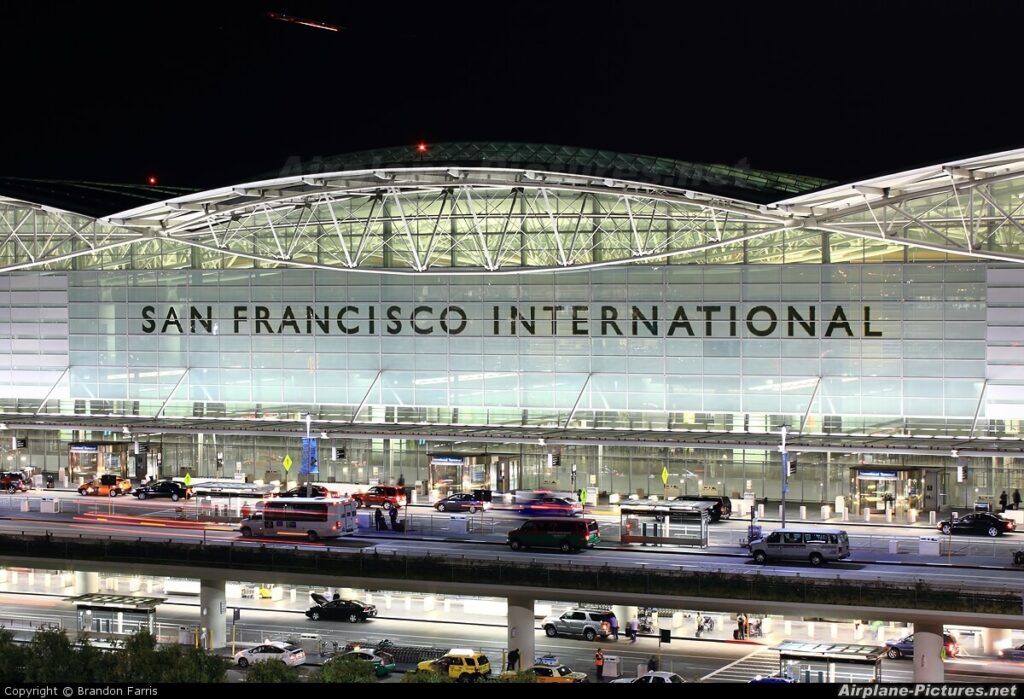

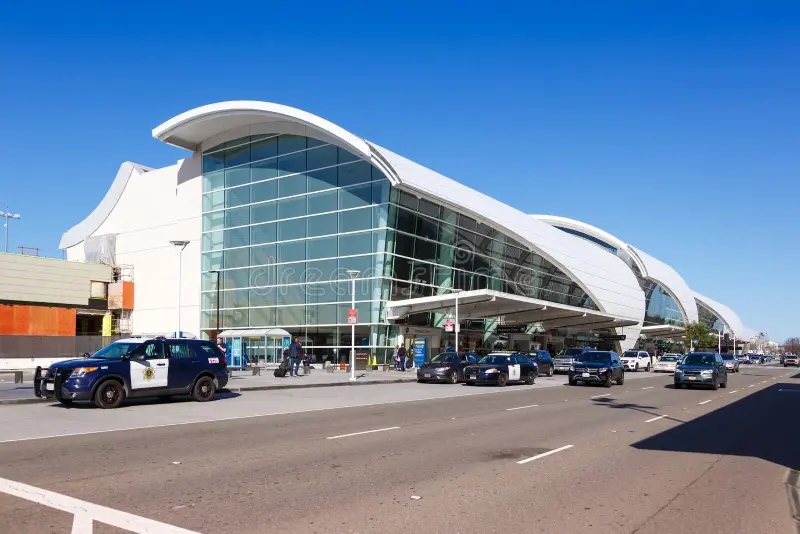
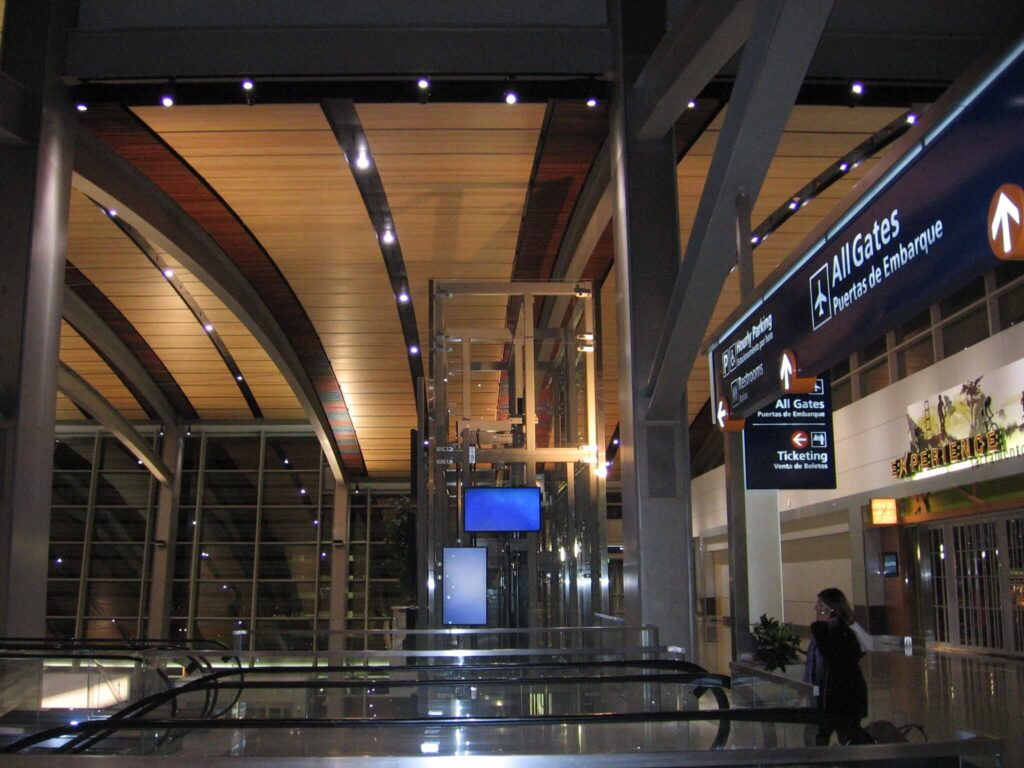
A practical Livermore-to-SFO departure checklist
A short checklist can prevent small omissions from becoming a rushed departure. Complete as much as possible the evening before, then check current conditions again on travel day.
Confirm the flight and terminal details
- Confirm the flight number, departure time, airline, and terminal information.
- Review the airline’s airport arrival, check-in, and baggage deadlines.
- Keep identification, boarding passes, and essential travel documents accessible.
- Determine whether you are checking bags and allow the additional time that may require.
- Check for airline notices, terminal changes, or delays before you leave.
Terminal information should be treated as current-trip information, not something to assume from a past flight. This is particularly important when you are coordinating a drop-off and need to communicate the destination clearly.
Prepare the pickup location and luggage
- Provide the complete pickup address, including useful access details when appropriate.
- Confirm the number of passengers and the amount of luggage.
- Be ready ahead of the planned pickup time rather than beginning to pack when transportation arrives.
- Keep phones charged and available for necessary trip communication.
- Allow a few extra minutes if your pickup point has stairs, a gate, limited curb access, or complex parking access.
These details matter because a smooth pickup protects the buffer you have built into the rest of the trip. When arranging taxi transportation from Livermore, accurate passenger and luggage information also helps you make a suitable transportation request.
Check current conditions on the day
Before leaving, check your flight status and the current road estimate. Look for weather alerts, traffic incidents, construction notices, or route changes that could affect your journey. If the estimate has risen or your airline has issued a time-sensitive update, adjust the plan promptly rather than hoping the delay will disappear.
It is also sensible to keep the airport drop-off plan simple. Know the terminal, have your items together, and avoid adding nonessential stops once your airport schedule is underway.
Is a taxi a practical option from Livermore to SFO?
A taxi can be a practical Livermore to SFO airport transportation option when you want a direct pickup and drop-off rather than driving yourself, arranging long-term parking, or coordinating multiple transfers. It may be particularly useful for travelers with luggage, families, business travelers, early flights, and anyone who would rather focus on the flight plan than the drive.
When direct airport transportation may make sense
Direct transportation can reduce the number of separate steps in the trip. Instead of first traveling to a parking location or transit connection, you can plan around pickup at your home, hotel, or workplace and drop-off at the airport terminal area. That simplicity can be valuable when your itinerary has a narrow margin.
It can also be a practical choice after a long trip, when you may not want to drive back across the Bay Area after landing. Dublin City Cab’s taxi transportation from Livermore is relevant for travelers who want to plan a direct airport ride around their flight schedule and luggage needs.
What to confirm when arranging the ride
Clear details help make an airport transportation request more useful. Confirm:
- your full Livermore pickup address and preferred pickup time;
- the airline, flight number, and SFO terminal if known;
- the number of travelers and amount of luggage;
- any pickup access instructions that could affect timing; and
- a reachable contact number for travel-day coordination.
For a departure flight, choose the pickup time by working backward from your required airport arrival time. Do not base it solely on a previous drive or a single map estimate. The same approach applies if your pickup happens to be near neighboring areas such as San Ramon or Camino Tassajara: the exact starting location and current route conditions remain part of the timing decision.
Pickup and transportation considerations around Livermore
Pickup logistics should support the central goal: leaving Livermore with enough time for the SFO journey. Most travelers only need a straightforward address and a ready-to-go pickup point, but a little preparation matters when reaching that point is not immediate.
Allow time to reach the pickup point
If the pickup is not directly outside your home or workplace, include the time needed to get there. Walking from a nearby building, meeting at a designated curb, gathering a group, or retrieving bags from a different location can consume the buffer intended for road conditions.
Choose a pickup point that is safe, clear, and easy to identify. If you are staying at a larger property, provide the appropriate entrance or meeting instructions so the departure can begin without unnecessary searching.
Planning for travelers without a car
Travelers without their own vehicle need to plan the first link in the journey just as carefully as the airport drive. If you need to reach a pickup point from another part of town, avoid creating a tight chain of connections immediately before a flight. Our guidance on getting around Livermore without a car can help you consider that local step as part of the broader airport schedule.
When possible, consolidate the trip into one clearly arranged pickup rather than depending on several uncertain transfers. The fewer handoffs in the plan, the easier it is to protect your airport arrival buffer.
ACE Station and nearby transportation context
ACE Station can be relevant to some travelers coordinating travel from another transit connection, but it should not become an afterthought on flight day. Allow time to exit the station area, meet at the agreed location, handle luggage, and begin the airport ride. For local planning details, see transportation options near the Livermore ACE station.
If you are combining rail and airport transportation, leave additional margin for the possibility that the inbound connection does not run exactly as expected. The airport deadline, rather than the station schedule alone, should determine how conservative your plan needs to be.

How to plan the return trip from SFO to Livermore
The return journey deserves the same realistic approach as the outbound trip, but its timing is less predictable. A scheduled arrival time does not necessarily equal the time you will be ready to leave the airport. Flight delays, gate availability, deplaning, baggage collection, and the time needed to reach the agreed meeting location can all affect pickup timing.
Account for arrival-side uncertainty
When arranging an SFO-to-Livermore ride, share the flight number and scheduled arrival information where appropriate, but avoid assuming that you will be curbside immediately after landing. International arrivals may involve additional steps, while checked bags can add uncertainty to any itinerary. Once you are ready, Bay Area traffic and airport circulation still affect the return travel duration.
Keep your phone available after landing and allow time to gather your group and luggage before heading to the meeting point. A realistic expectation makes the arrival side less stressful for both the traveler and the transportation arrangement.
Confirm the meeting and booking details
Before the trip, confirm how and where the pickup will occur, the best contact number, the final Livermore destination, and any luggage or passenger considerations. Follow applicable airport pickup instructions and communicate changes promptly if your flight is delayed or the arrival information changes.
A clearly arranged meeting plan is more useful than trying to make decisions while navigating an unfamiliar terminal with bags. It also lets you focus on completing the airport process before beginning the drive home.
Plan your Livermore-to-SFO journey with a realistic time buffer
The best answer to how long does it take from Livermore to SFO is not a single number. It is a plan that combines the current road estimate with the time needed to reach your flight without depending on perfect conditions. Confirm airline requirements, check traffic close to departure, prepare the pickup in advance, and give yourself enough margin for the parts of travel that can change.
A simple planning formula
Use this practical formula when deciding your departure time:
Required SFO arrival time − current Livermore-to-SFO drive estimate − pickup and loading time − contingency buffer = planned time to be ready for pickup.
Begin with the airline’s recommended arrival time. Then subtract the live travel estimate and the time needed for pickup, loading, terminal access, and reasonable variability. If the result feels uncomfortably tight, choose an earlier pickup rather than relying on a best-case journey.
This formula is not a guarantee, because live conditions can change. It is a disciplined way to turn a broad travel-time question into a workable departure decision for your particular flight.
When to arrange transportation
Arrange transportation once your flight, terminal information, passenger count, and pickup details are reasonably clear—especially for early, time-sensitive, or luggage-heavy trips. Booking ahead can help you organize the ride around the airport schedule instead of leaving a major travel step until the last minute.
When you are ready to set up the trip, Dublin City Cab invites you to get a quote or book online. Provide complete trip details, keep an eye on current conditions on the day, and plan for an arrival at SFO that leaves room for check-in, security, and boarding.