
Getting Around Livermore Without a Car: Practical Local Transportation Guide
getting around Livermore without a car: compare walking, Wheels buses, biking, and direct rides for airport travel, errands, appointments, and work trips.
Getting around Livermore without a car can be practical, whether you are visiting downtown, commuting to work, attending an appointment, or connecting to an airport. It does take more planning than driving yourself, especially when destinations are spread across the city or your schedule includes bags, children, or time-sensitive commitments. The key is to match the transportation method to the trip instead of expecting one option to handle every need.
For short trips, walking and biking may be enough. Public transit can work well when your origin and destination line up with a route and you can build in flexibility. For direct trips, early departures, errands with purchases, or travel outside regular transit coverage, a Livermore taxi service provides a door-to-door alternative. Many successful car-free days use more than one of these choices.
This guide explains what is realistic, where a little advance planning matters most, and how to move around Livermore comfortably without relying on a personal vehicle.
Why car-free travel is realistic in Livermore
Livermore is not a city where every destination is a short walk from every other destination. Residential neighborhoods, shopping areas, workplaces, wineries, medical offices, and regional transportation hubs can be several miles apart. Still, a car-free routine is workable for many people because the city has distinct walkable areas, local bus service, rail connections in the broader Tri-Valley, and on-demand transportation for the gaps.
Downtown is often the easiest starting point. Restaurants, shops, civic destinations, entertainment, and everyday services are relatively close together, making it suitable for walking once you arrive. A visitor staying near downtown may be able to handle an afternoon or evening entirely on foot. Residents whose daily needs are close to a bus corridor or workplace can use transit for selected trips and reserve a taxi or rideshare for the rest.
The realistic goal is not necessarily to eliminate every vehicle trip. It is to avoid needing to own, rent, or drive a car for each outing. A mixed approach can lower the stress of parking, avoid asking friends for rides, and provide a dependable backup when the weather, distance, or timing makes walking or waiting impractical.
What makes Livermore easier or harder to navigate
Car-free travel is easiest when you keep activities geographically grouped. Plan a meal, an errand, and an appointment in the same area rather than crossing town repeatedly. It is also easier when you can travel outside the busiest periods and leave time for a transfer or a short walk at either end of a transit trip.
It becomes more challenging when a destination sits away from transit, when you must carry groceries or equipment, or when an appointment ends after the most convenient service window. Summer heat, rain, mobility limitations, and uneven walking distances also change what is comfortable. Treat those factors as normal planning inputs, not failures of a car-free plan.
Main ways to get around without driving
Walking for compact trips
Walking is the simplest option for short, well-connected trips, particularly in and around downtown. Before setting out, check the actual walking route rather than judging distance by a map’s straight line. Look for safe crossings, shade, sidewalks, and whether you will need to cross a major road. Wear comfortable shoes and carry water on warm days.
Walking works especially well as the first or last leg of a larger trip: walking from a hotel to a restaurant, from a bus stop to an office, or from a taxi drop-off to several nearby stops. It is less suitable for trying to cover a full day of scattered appointments.
Public transit and regional connections
Wheels is the primary local bus system for Livermore and nearby Tri-Valley communities. Its Local, Rapid, and Express services can be useful for regular commuting, downtown trips, and connections beyond the city. The agency identifies Livermore-relevant routes such as 10R, 11, 14, 15, 18, 20X, 30R, and 580X, with connections to BART, ACE Rail, and other regional services. Because routes, stop locations, and service patterns can change, review the official Wheels routes and schedules before you leave.
For a transit trip to work or an appointment, check three things: the departure that gets you there, the return option, and the walking distance at both ends. Arrive at the stop a few minutes early, and have a backup plan if a missed connection would create a serious problem. For regional travel, combining a local bus with BART or ACE can make sense, but transfers add time and require attention to schedules.
Biking and micromobility
A bicycle can extend your range considerably, particularly for trips that are too long to walk but do not warrant a direct vehicle ride. It can also solve the “last-mile” gap between a transit stop and your destination. Choose routes based on comfort, traffic conditions, available bike parking, and daylight, not only mileage. If you do not already ride regularly, test a route during a low-pressure outing before depending on it for an important appointment.
For visitors, bringing or renting a bike may not be convenient, so biking is generally more useful for residents, students, and regular commuters. A bike is also less practical when carrying luggage, making a large grocery run, or traveling in poor weather.
Taxi and rideshare for direct travel
Taxi and rideshare trips fill the situations where scheduled transit or walking is not the right fit. They are particularly useful for a direct pickup, early or late travel, multiple stops, mobility needs, luggage, or a return trip when you do not want to wait outdoors. If you prefer a local provider and want to understand coverage before arranging a ride, review the available service areas.
For important appointments, arrange transportation with enough margin to account for pickup coordination and normal roadway variability. Confirm the pickup address, destination entrance, passenger count, and any luggage or accessibility considerations. That small amount of detail makes door-to-door service more useful and reduces avoidable confusion.


When a taxi is the smartest choice
Public transit is often a cost-conscious choice when timing and route alignment are favorable. A taxi is often the better practical choice when certainty, directness, or comfort matter more. This is not an either-or decision: many people use buses for routine trips and choose a taxi for the exceptions that would otherwise be difficult.
| Situation | Often the most practical option | Why |
|---|---|---|
| Several stops in one area | Walking or biking | Flexible and simple once you are nearby |
| Trip along a convenient corridor | Public transit | Works well when the schedule matches your plans |
| Medical appointment or time-sensitive meeting | Taxi | Direct travel reduces transfers and walking |
| Airport trip with luggage | Prearranged taxi | Door-to-door pickup and room for bags |
| Regional outing with a return time | Mixed mode or taxi | Lets you adapt to transfer and return-trip needs |
Situations where direct service matters
A taxi can be a sensible option after an evening event, when you are carrying shopping bags, or when a destination is not a comfortable walk from the nearest stop. It can also be useful for older adults, families traveling with children, visitors unfamiliar with local streets, and anyone who needs to arrive without the uncertainty of a transfer.
For nearby trips outside Livermore, door-to-door service may be easier than piecing together several connections. For example, a planned trip to Pleasanton may involve a meeting, dining reservation, or shopping errand where a direct ride gives you a more predictable arrival and departure. If your destination is more rural or sits away from the main corridors, such as Sunol, confirm pickup and return arrangements before you go.
Airport travel without a personal car
Airport transportation is one of the clearest times to plan ahead. A trip from Livermore to an airport involves more variables than a local errand: departure time, baggage, security timing, possible traffic conditions, and the consequences of a missed flight. Avoid treating an airport ride as a last-minute task.
Choosing between SFO and Oakland
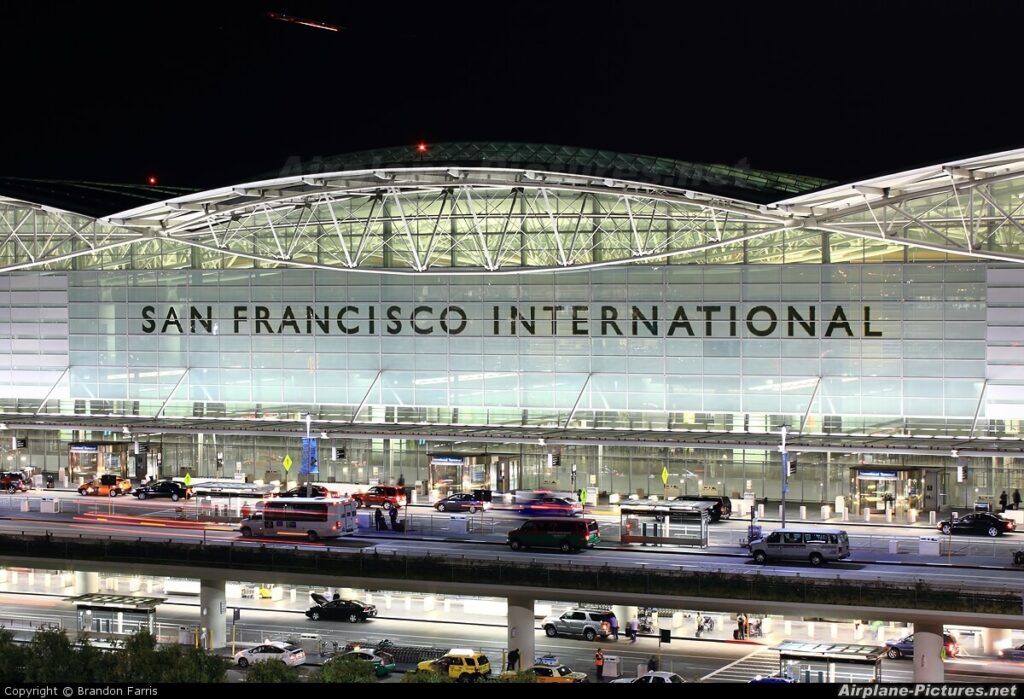
San Francisco International Airport and Oakland International Airport each require regional travel from Livermore. The best choice depends on your flight, travel time tolerance, party size, luggage, and whether you are comfortable managing transit transfers. Public transit can be an option for travelers with light bags and flexible schedules, but it may require multiple stages. A direct ride can reduce the number of handoffs and provide a simpler start to the trip.
For SFO planning, use a dedicated Livermore to SFO airport transportation guide to think through pickup timing, baggage, and the details that affect departure planning. Do not rely on a single estimated driving time; leave a cushion for the conditions on your travel day.
If Oakland is your airport, the Livermore to Oakland airport transportation guide can help you compare the practical considerations of that trip. In either case, verify the terminal, airline requirements, and your preferred pickup location before finalizing transportation.
A straightforward airport checklist
- Confirm the flight date, airline, terminal, and recommended airport arrival time.
- Choose a pickup time that includes a reasonable buffer rather than assuming ideal road conditions.
- Give the driver the exact pickup point, especially at hotels, apartment complexes, or gated communities.
- Count bags and note oversized items so the vehicle choice fits the party.
- Keep your phone charged and have your booking details available.
- For the return, decide whether you will arrange pickup in advance or request it after landing.
Business travelers should also account for the practical cost of losing time to a missed connection or difficult luggage transfer. A direct airport ride can be easier to manage when the trip begins before standard work hours or ends after a long flight. For more detailed decision-making, local taxi options in Livermore can be useful when transit does not fit the flight schedule.
Errands, appointments, and business travel
Car-free errands work best when the trip is designed around what you can reasonably carry and how many locations you need to visit. A pharmacy pickup, salon appointment, lunch, and a few downtown purchases may fit into a walk-and-transit plan. A warehouse-sized shopping trip, medical procedure, or a day involving supplies is more likely to call for direct transportation.
Make appointments easier to manage
When booking a medical, legal, financial, or personal-service appointment, ask where the most convenient entrance and pickup point are located. Large office parks and medical buildings may have several entrances, and naming the right one helps prevent an unnecessary walk. Schedule a pickup with enough time to check in calmly rather than aiming to arrive at the exact appointment minute.
For recurring obligations, test the route once and write down what worked: which stop was easiest, how long the walk felt, and where you waited for pickup. This turns future planning into a routine rather than a fresh logistical problem every time.
Business travel without a rental car
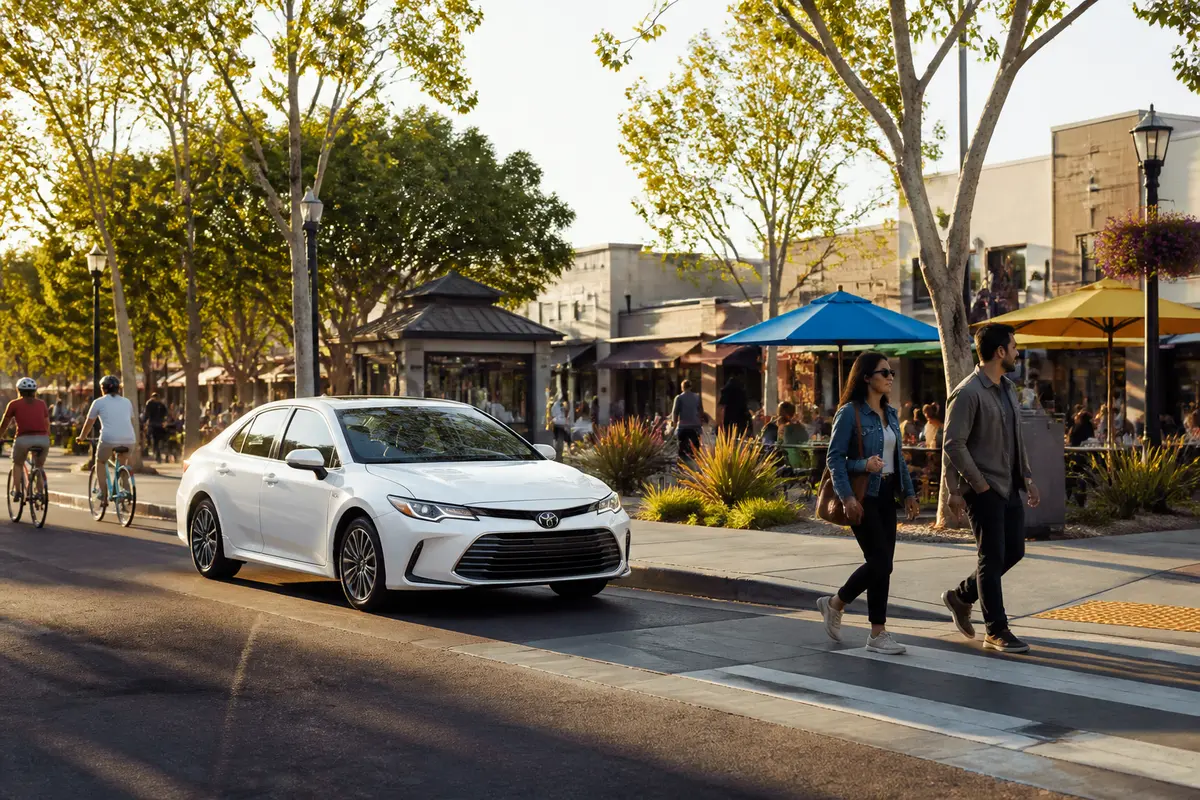
Visitors in Livermore for meetings, training, site visits, or client dinners can often avoid renting a car by pairing a centrally located stay with planned point-to-point transportation. Group meetings by area when possible, and build a realistic buffer between appointments. This is especially important when a meeting location is in an office park rather than downtown.
For guidance specific to professional trips, see this business transportation guide for Livermore. It is useful for thinking through punctuality, client-facing arrivals, airport connections, and transportation that supports a working schedule. If a day includes multiple off-site stops, provide the locations in order and ask about the most workable plan rather than assuming every stop will be equally easy by transit.
How to plan a car-free day in Livermore
The most reliable car-free days are planned backward from the commitment that cannot move: a flight, work shift, appointment, class, or dinner reservation. Once that anchor is set, choose the travel mode that gives you an appropriate margin for that specific trip. Then add the smaller activities around it.
- List your fixed commitments. Note addresses, arrival times, expected end times, and anything you must carry.
- Group nearby activities. Put errands near the same destination before or after the main commitment.
- Check transit first for flexible trips. Verify the route, stop, transfer, and return plan—not just the outbound trip.
- Use direct transportation for the vulnerable leg. Consider a taxi for an airport run, a first appointment, bad weather, luggage, or a location with limited transit access.
- Build a backup. Save the pickup address, keep your phone charged, and know what you will do if you miss a bus or plans run late.
It is also wise to avoid over-scheduling. A plan with one transit connection and a short walk may be comfortable; a day with several transfers, tight appointment windows, and heavy bags can become stressful quickly. Leave space for meals, restroom breaks, and a little schedule variation.
Small details that improve the trip
Keep a reusable bag for purchases, a portable charger, water, sun protection, and layers for changing temperatures. If you are meeting a taxi, stand at a safe, visible pickup point and double-check the address in your confirmation. For transit, make sure you understand whether the stop is on the correct side of the street for your direction of travel.
Visitors should ask their hotel, host, venue, or meeting organizer for the most practical drop-off entrance. Residents can make recurring trips easier by saving frequently used locations and preferred pickup notes in their phone. These habits are simple, but they reduce friction when getting around Livermore without a car.
A sample car-free day plan
Imagine a visitor staying near downtown who has a late-morning meeting, an afternoon errand, and an evening dinner reservation. The visitor can walk to breakfast and use transit if the meeting location matches a convenient route. If the meeting is in an office area with a longer final walk, a direct taxi ride may be the more reliable choice.
After the meeting, the visitor can schedule nearby errands together rather than returning downtown between each stop. A bus may work for the return if the timing is flexible. If purchases are bulky or the evening reservation is across town, arranging a taxi avoids carrying items for several blocks or waiting outside at the end of the day.
Practical rule: Use walking and transit when they make the day easier, then use a direct ride where a missed connection, luggage, distance, or timing would make the trip harder than it needs to be.
This approach is also useful for residents. It does not require an all-or-nothing commitment to one mode. It is a way to make each trip fit its actual purpose.
How to choose the right transportation option
Choose based on the trip’s consequences, not just the distance. A two-mile walk may be pleasant on a mild afternoon with no bags, while the same distance may be unreasonable before a medical appointment in hot weather. Likewise, a bus route may be an excellent commute when you know the routine but a poor choice for an early flight with luggage.
- Choose walking for short, safe, comfortable routes and clustered downtown activities.
- Choose biking when you are confident with the route and need more range than walking provides.
- Choose public transit when your schedule is flexible and the route serves both ends of the trip well.
- Choose a taxi or rideshare when you need direct travel, have bags, face a tight schedule, or are traveling at an inconvenient time.
- Choose mixed-mode travel when a bus or rail connection handles the longer portion and a short direct ride solves the first- or last-mile gap.
For airport, business, or recurring local trips, it is worth comparing the total effort rather than focusing only on the ride itself. Count the walking, waiting, transfers, carrying, and uncertainty involved. The most suitable option is usually the one that lets you arrive prepared and on time without adding unnecessary complexity.
Frequently asked questions
Can visitors get around Livermore without renting a car?
Yes. Visitors can combine walking in compact areas, Wheels bus service for eligible routes, and taxis or rideshare for direct trips. It helps to choose lodging near the places you expect to visit and plan airport transportation in advance.
Is public transit enough for daily travel in Livermore?
It can be enough when your home, work, school, or regular destinations align with available routes and your schedule has flexibility. For trips away from transit corridors, heavy errands, or time-sensitive appointments, supplementing transit with a direct ride is often more practical.
What is the easiest way to get from Livermore to the airport without driving?
A prearranged direct ride is often simplest for travelers with luggage, early flights, or tight timelines. Transit may suit travelers with light bags and flexible schedules, but check every connection and allow extra time.
When should I book a taxi instead of waiting for a rideshare?
Consider booking a taxi when you want a planned pickup for a flight, appointment, business meeting, or other time-sensitive trip. It can also be useful when you need to confirm a local pickup point, accommodate luggage, or avoid relying on availability at the last minute.
Conclusion: build a practical car-free routine
Livermore is easier to navigate without a car when you plan around the purpose of each trip. Walkable areas and transit can handle many everyday journeys, while bikes can expand your local range. Taxis and rideshare provide an important direct option for appointments, airport transfers, errands, and travel beyond convenient routes.
Start by grouping destinations, checking current transit details, and allowing extra time for the parts of the day that matter most. With a flexible mix of options—and a dependable local taxi option in Livermore for the trips that need door-to-door service—you can handle work, visits, travel, and daily life without getting behind the wheel.