

Complete Bay Area Airport Transportation Guide
Plan Bay Area airport transportation for SFO, OAK, or SJC with guidance on ride options, pickups, luggage, traffic, and timing from the East Bay and Tri-Valley.
Choosing Bay Area airport transportation is not simply a matter of finding a ride. The right choice depends on which airport you are using, where you are headed, when your flight departs or arrives, and how much certainty you need. A traveler going from the Tri-Valley to an early SFO departure faces a different set of decisions than a visitor arriving at Oakland International Airport with several bags or a business traveler landing late at San Jose International Airport.
This guide helps you compare the main ground-transportation choices, plan a smooth terminal pickup, and avoid common timing mistakes. It is designed for local residents, visitors, families, and work travelers moving between SFO, Oakland International Airport, San Jose International Airport, the East Bay, and Tri-Valley communities. For local ride planning, start with the transportation options available through Dublin City Cab and match the service style to your itinerary rather than relying on a last-minute decision.
Airport conditions can change quickly because of road work, weather, events, peak traffic, and flight delays. Treat estimated travel times as planning tools, not guarantees, and leave room for the parts of a trip you do not control.
How to Choose Bay Area Airport Transportation
Start by defining the trip from door to terminal, not just the drive itself. A lower-effort option may be worthwhile when you have a tight departure window, children, mobility needs, multiple bags, or an unfamiliar airport. Public transit can be practical for travelers who are packing light and have flexible schedules, while a pre-booked taxi or private ride can simplify a direct trip with luggage.
Match the ride to your real travel conditions
- Airport and destination: SFO, OAK, and SJC sit in different parts of the region. Distance, bridge crossings, and freeway routes can materially affect the trip.
- Departure or arrival time: Early flights and late-night arrivals may have fewer transit options and less margin for a missed connection.
- Luggage: Consider whether you can comfortably manage bags between stations, platforms, parking areas, and terminals.
- Group size: A shared vehicle may suit solo travelers, while a family or small team may prefer one coordinated vehicle.
- Trip purpose: Leisure travelers may prioritize budget and flexibility; business travelers often prioritize predictability, receipts, and a direct route.
- Pickup method: Confirm whether you need curbside pickup, a designated ride-app area, a shuttle stop, or a meet-and-greet arrangement.
Before leaving, check the current route rather than relying only on a typical commute pattern. The region’s official Bay Area airport travel information brings together traffic, driving-time, parking, ground-transportation, and public-transit resources for SFO, OAK, and SJC. It is particularly useful when comparing airports or deciding whether conditions call for an earlier departure.
Compare the Main Transportation Choices
There is no universally best airport transfer. The practical choice is the one that fits your schedule and handling needs. Use this comparison as a starting point, then verify the pickup rules and availability for your specific terminal and time.
| Option | Often works well for | Key advantages | Points to confirm |
|---|---|---|---|
| Pre-booked taxi | Direct trips, luggage, early departures, scheduled arrivals | Door-to-terminal planning, a clear pickup plan, and less need to transfer bags | Pickup address, terminal, flight details, passenger count, and vehicle capacity |
| Ride-hailing service | Flexible, on-demand travel | Convenient app-based booking in many areas | Designated pickup zones, wait times, surge pricing, and terminal instructions |
| Public transit | Light packers with time flexibility | May reduce driving and parking needs | Service hours, transfers, walking distance, and space for baggage |
| Hotel or shared shuttle | Eligible hotel guests or travelers with a fixed route | Potentially straightforward when the schedule aligns | Reservation requirements, stops, operating hours, and baggage limits |
| Personal car and parking | Trips where parking cost and convenience make sense | Complete control of departure time | Parking availability, return timing, traffic, and the walk or shuttle to the terminal |
An airport shuttle alternative can be sensible when its route and hours fit your itinerary. However, scheduled stops and shared travel may add time. If a specific arrival or departure window matters, compare the complete door-to-door journey—not just the listed fare or the time spent in the vehicle.
Practical rule: The more connections, bags, and time-sensitive commitments you have, the more valuable a simple, confirmed pickup plan becomes.


SFO Transportation and Pickup Planning
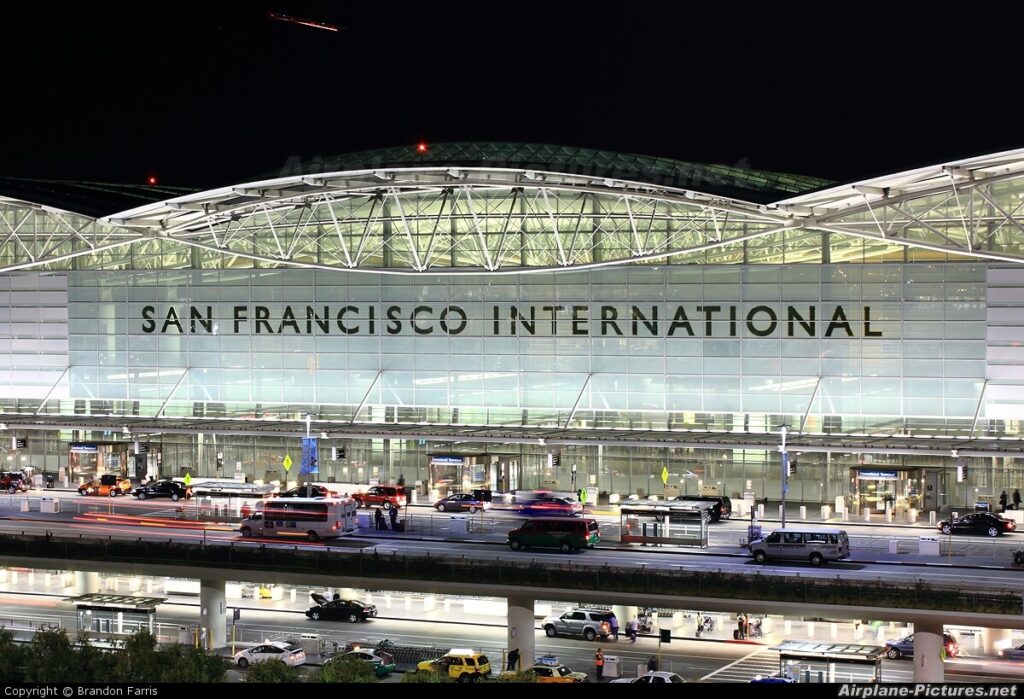
SFO serves a large share of international and long-haul travel in the region, but its location means that travel from the East Bay and Tri-Valley can involve bridge approaches and busy freeway corridors. Build in extra time for the full sequence: loading the vehicle, road travel, entering the airport, finding the correct terminal, and reaching check-in or security.
Use a terminal-specific SFO pickup guide
For an arriving passenger, terminal coordination is the detail that prevents confusion. Confirm the airline, terminal, arrival time, number of bags, and whether the traveler can reach the curb independently. A detailed SFO pickup guide can help you plan the sequence before the flight lands rather than exchanging rushed messages outside the terminal.
At SFO, curbside pickup rules and traffic flow can change by terminal area. A driver should not circle indefinitely while an arriving traveler waits without a precise meeting plan. A better approach is to agree that the passenger will collect baggage, turn on their phone, and send a message only when they are ready at the designated pickup point. If curb access is restricted or crowded, follow airport directions and use the approved waiting or pickup process.
Allow more time on departure days
For departures, give your driver the airline and terminal in advance. If your flight is international, you are checking bags, traveling during a holiday period, or departing during a busy commute window, add a larger buffer than you would for a simple domestic trip. Do not assume the airport curb is the end of the journey; walking, bag drop, security, and terminal changes all take time.
Travelers leaving from Blackhawk should consider the local drive out of the community as part of the airport timeline, especially for very early departures. The same principle applies across the Tri-Valley: scheduling should reflect the entire route, not just the final freeway segment.
Oakland International Airport Transportation
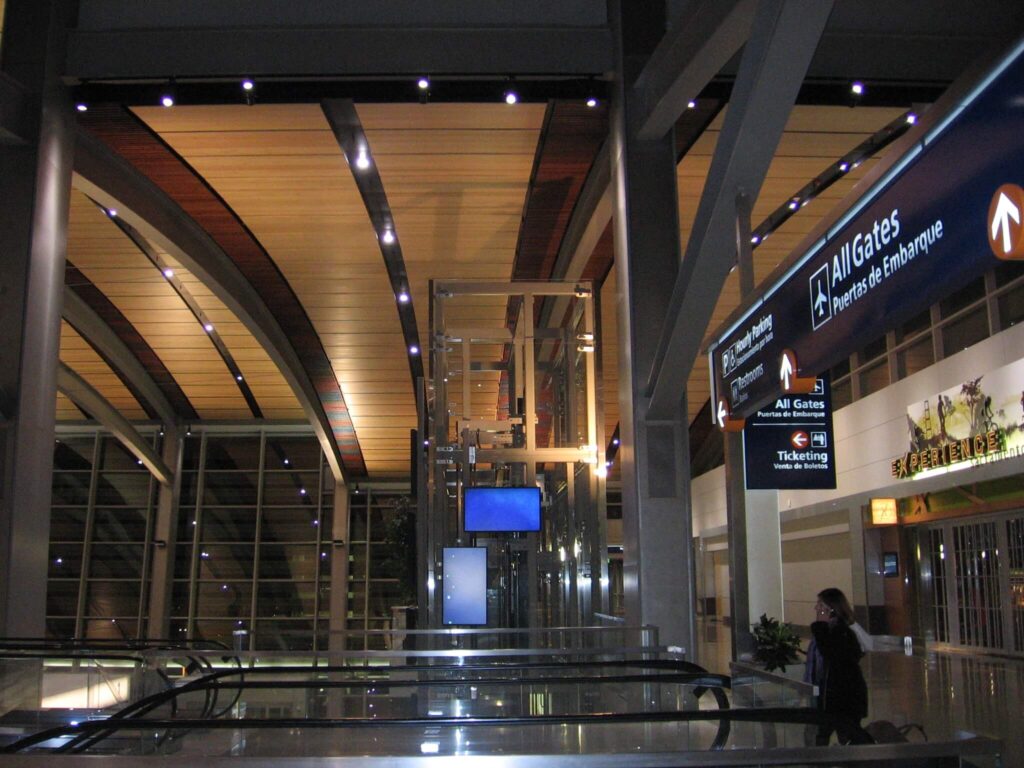
Oakland International Airport can be a convenient option for many East Bay travelers, but convenience still depends on your exact origin, flight schedule, and the transportation connection available at your arrival time. If you are comparing OAK with SFO or SJC, look beyond the map. Check airline schedules, total travel time, terminal access, and what happens if a flight is delayed.
For a direct ride, review your options for Oakland airport transportation before the day of travel. Provide a complete pickup address, flight number when applicable, party size, and any oversize items. This gives the driver and passenger a shared understanding of the trip and helps avoid a vehicle mismatch for luggage.
Arrival coordination at OAK
For terminal pickup, wait until the traveler has cleared the aircraft-to-baggage portion of the arrival. An on-time landing is not the same as curb-ready. Gate availability, walking distance, restroom stops, checked baggage, and other passengers can all change the pickup time. If you are meeting someone, use clear language: terminal, level if relevant, door or zone if assigned, and the passenger’s readiness status.
OAK may be especially worth considering for some East Bay itineraries, but it is not automatically the right airport for every Tri-Valley trip. The most useful comparison is the entire itinerary: flight availability, departure timing, ground transfer, parking or pickup logistics, and return travel after landing.
San Jose International Airport Transportation
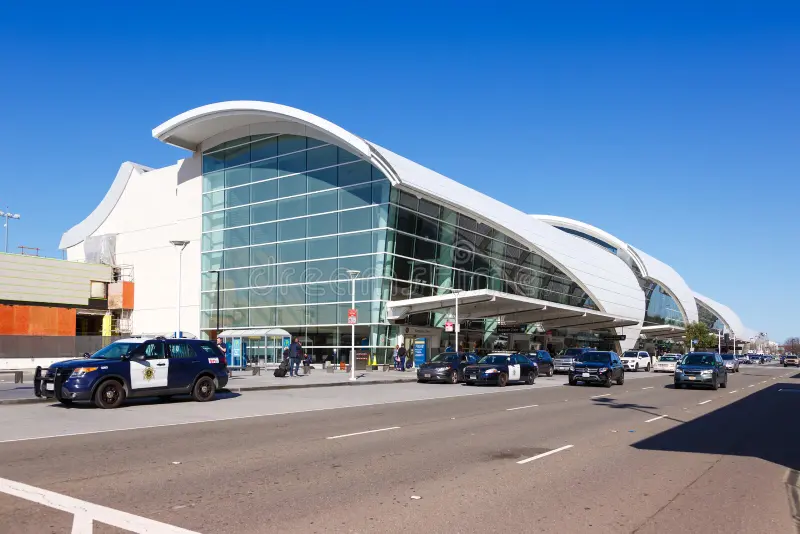
San Jose International Airport, commonly called SJC, may be a practical choice for South Bay destinations and some business trips. For travelers heading to or from the Tri-Valley, its suitability depends heavily on the time of day and the route. Peak traffic can change a straightforward drive into a longer and less predictable one, so verify conditions on the travel date.
Use this San Jose airport pickup guide to prepare for terminal coordination, especially when arranging a ride for a visitor or colleague. The essential details are the airline, terminal, flight status, contact method, baggage situation, and agreed meeting location.
Plan for late arrivals and return trips
Late-night pickups deserve extra attention. Confirm that your chosen service is available, keep your phone charged, and make sure the passenger knows what to do if baggage is delayed or their flight is rerouted. A pre-booked taxi can offer a more structured plan than searching for transportation after arrival, but travelers should still notify the provider promptly about major flight changes.
For residents of Sunol, airport planning should account for the first and last miles as well as the freeway portion of the journey. Rural or lower-density pickup areas can require more advance coordination than a central downtown address, particularly at unusual hours.
Tri-Valley and East Bay Airport Decisions
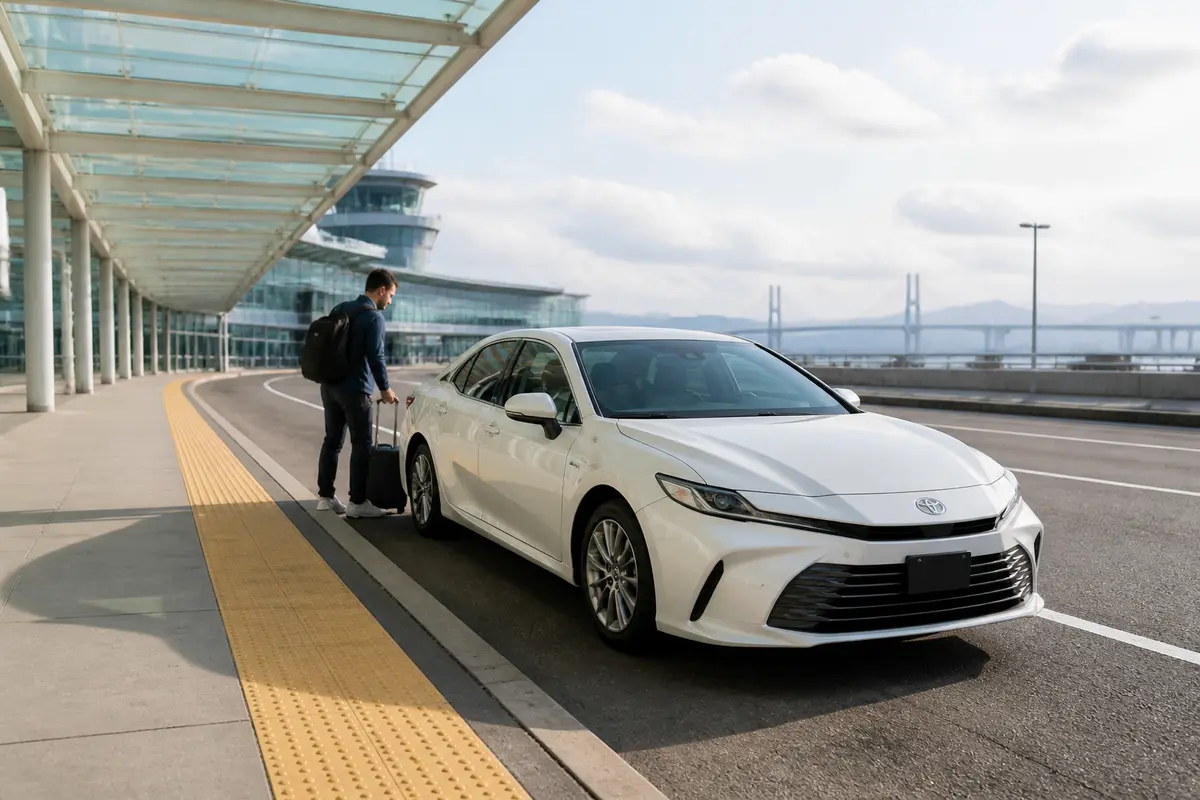
For travelers in Dublin, Pleasanton, Livermore, Danville, San Ramon, and nearby communities, choosing among SFO, OAK, and SJC is often the first transportation decision. The closest airport is not always the most useful one. A flight’s schedule, nonstop availability, arrival time, and the direction of traffic may matter more than mileage alone.
Use a practical three-part test: first, identify the flight that best fits the trip; second, estimate the complete ground journey at your actual travel time; third, decide how much reliability you need for getting to and from the terminal. This comparison of SFO, Oakland, and San Jose for Tri-Valley travelers can help frame that decision around real itinerary tradeoffs.
For airport transportation Bay Area travelers should also plan the return leg before leaving home. An arrival that seems manageable in daylight can feel very different after a delayed evening flight. Save the pickup contact information, share your flight number, and decide in advance how you will handle a terminal change, a diversion, or a late baggage claim.
Business Traveler Airport Transportation
Business travel places a premium on predictability. A missed flight, delayed client meeting, or unnecessary transfer can create a larger disruption than a small difference in fare. For that reason, business traveller airport transportation should be planned around schedule protection and clear communication.
Build a repeatable travel routine
- Book the airport ride once the flight and meeting schedule are confirmed.
- Share the flight number, airline, terminal, pickup address, and a reliable mobile number.
- Set a departure time that includes traffic, check-in, security, and a reasonable contingency buffer.
- Choose a pickup method that accommodates presentation materials, carry-ons, and checked bags.
- Keep digital and printed trip details accessible in case phone service or battery life becomes an issue.
- For arrivals, establish whether curbside pickup or a meet-and-greet plan is appropriate before the flight lands.
Frequent flyers benefit from keeping a simple airport profile: preferred airport when schedules are comparable, usual pickup address, typical luggage count, airline memberships, and any accessibility needs. For more detailed planning habits, review these airport transportation tips for business travellers.
When booking a ride through a local airport taxi service, give accurate details instead of assuming the driver can infer them. A pre-booked taxi reservation is more useful when it includes the information needed to coordinate a smooth trip, particularly for early pickups, executive travel, or several passengers traveling together.
Airport Pickup Tips That Prevent Delays
A good pickup starts before the flight departs. The passenger and driver should use the same language for the meeting plan, with no vague instruction such as “outside arrivals.” Airports may have multiple terminals, levels, doors, and approved ground-transportation zones.
Before the flight
- Confirm the airport, airline, flight number, scheduled arrival, and terminal if known.
- Decide whether the plan is curbside pickup, an authorized pickup zone, or meet-and-greet.
- Share the passenger’s phone number and make sure both parties can receive messages.
- Discuss luggage assistance if bags, children, mobility devices, or work equipment require extra time.
- Agree on a backup plan for a delayed, canceled, or diverted flight.
After landing
Passengers should avoid requesting a pickup the moment the plane touches down. Instead, wait until they have reached the appropriate stage of arrival—often after baggage claim—and then send a clear readiness message. Include terminal and pickup location details where possible. Drivers should follow airport signage and staff directions, even when the original curbside plan needs to change.
This complete Bay Area airport transportation guide is most useful when treated as a planning checklist: verify the airport, verify the terminal, check conditions, communicate clearly, and keep a margin for normal travel friction.
Frequently Asked Questions
Which Bay Area airport is easiest for East Bay and Tri-Valley travelers?
It depends on the specific origin, flight schedule, and time of travel. Oakland International Airport may be convenient for some East Bay itineraries, while SFO or SJC may offer a better flight schedule or route for others. Compare the complete trip, including ground transportation and the return journey.
How early should I schedule airport transportation?
Schedule as soon as your flight plans are firm when you need a specific pickup time, are traveling early or late, have a group, or need luggage assistance. For the day of travel, build in time for traffic, terminal access, check-in, security, and unexpected delays.
What information should I provide for a pre-booked airport taxi?
Provide the pickup address, airport, airline, flight number when relevant, terminal if known, passenger count, luggage needs, phone number, and desired pickup time. For arrivals, also agree on the pickup location and how flight changes will be communicated.
Should I wait at the curb when my flight lands?
Usually, it is better to coordinate after you have collected checked bags and can confirm your terminal pickup location. Airport rules and traffic conditions may require a designated pickup zone, so follow the posted instructions and your driver’s guidance.
What should I do if my flight is delayed?
Notify your transportation provider as soon as you know about a significant delay, cancellation, diversion, or terminal change. Keep your phone charged and update the pickup plan once you know when you will be ready to leave the terminal.
Plan Your Airport Transfer With Confidence
Reliable Bay Area airport transportation comes down to choosing an airport and ride option that fit the real conditions of your trip. Consider the route, time of day, baggage, group size, flight schedule, terminal procedures, and the amount of flexibility you need. Then confirm the important details before travel day rather than improvising at the curb.
Whether you are heading to SFO for an international departure, arranging Oakland airport transportation for an East Bay arrival, or coordinating an SJC pickup after a business trip, a clear plan reduces avoidable stress. Check live conditions, allow a sensible buffer, communicate your terminal plan, and choose transportation that makes the entire door-to-door journey manageable.