
Late-Night Airport Transportation in the Bay Area: A Practical Planning Guide
Plan late-night airport transportation in the Bay Area with guidance on pickup timing, flight delays, luggage, and designated meeting points at SFO and OAK.
A late departure or midnight arrival can make airport travel feel more complicated than a daytime trip. Public transit schedules may be limited, family members may not be available to drive, and a delayed flight can change a carefully planned pickup in minutes. The goal of late-night airport transportation in the Bay Area is not simply to find a ride; it is to arrange a clear, dependable plan that accounts for timing, luggage, airport rules, and communication when fewer options are operating.
Whether you are leaving for a red-eye, returning from a business trip, or coordinating an airport pickup in the Bay Area for a visitor, planning ahead creates useful margin. A professional car service or taxi can be a practical option when you want door-to-door travel and a confirmed pickup arrangement. For an overview of local transportation options, start with Dublin City Cab’s home page and then match the service to your airport, neighborhood, and flight schedule.
Why late-night airport transportation needs a different plan
At night, airport travel has fewer built-in backups. If a train connection is missed, a rideshare request takes longer than expected, or a friend is delayed, there may be limited alternatives. That does not mean late travel is inherently difficult; it means the details deserve attention before the day of the flight.
Late-night pickups also require more precise communication. A driver needs the correct address, gate instructions for a building or community, a working phone number, and a realistic pickup time. For an arrival, the traveler and driver should agree on the terminal, level, door or meeting point, and the point at which the traveler will confirm they are ready. These details reduce the chance of circling, missed calls, or a driver waiting where airport rules do not allow it.
It is also wise to distinguish a reservation from an instant request. An advance reservation gives a transportation provider the information needed to plan for the trip. It does not eliminate normal travel variables, such as weather, road closures, luggage delays, or a changed flight schedule, but it creates a more organized starting point for an after-hours airport ride.
What makes Bay Area late-night airport travel unique
Airport timing, red-eye flights, and midnight arrivals
Late-night travel commonly falls into two patterns: travelers heading out for a red-eye flight and passengers arriving after evening operations have slowed. Departing travelers must still allow time for airline check-in, bag drop, security, walking to the gate, and any airline-specific cutoff times. Arriving travelers may need to wait for checked bags, walk from a remote gate, or rebook after a disruption before they can meet a ride.
Rather than using the scheduled landing time as the pickup time, build a post-landing window. The right amount depends on whether you have checked luggage, need assistance, are traveling with children, or are arriving internationally. Share the flight number with your provider when available, but keep in touch if the arrival changes materially.
Why the Bay Area adds extra planning variables
The region’s geography matters. A trip can cross bridges, connect distant East Bay and Peninsula communities, or involve airport loops that are unfamiliar to occasional travelers. Light overnight traffic can shorten a drive, yet construction, roadway closures, event traffic, weather, and airport congestion can still affect the route.
Airport selection matters as well. SFO and OAK have different terminals, roadway layouts, and pickup procedures. A traveler coming from the Tri-Valley may also have a different route and timing profile than someone leaving from the Peninsula. Reviewing how Bay Area traffic affects airport travel times can help you avoid assuming that nighttime always means a predictable trip.
How to choose a reliable late-night airport ride
Availability, pre-booking, and dispatch reliability
When comparing Bay Area airport transportation choices, look beyond a quoted fare or estimated pickup time. Ask whether the provider accepts scheduled overnight trips, what information is needed to reserve, how changes are handled, and how you will receive confirmation. Give the full pickup address, date, requested time, passenger count, luggage estimate, destination airport, airline when useful, and flight number for return service.
A clear reservation record is valuable because it lets you review the essentials before travel day. Confirm the time zone if a reservation is made while traveling, especially for a flight that crosses time zones. If you need a local car at an unusual hour, arranging the ride in advance is generally more practical than assuming a vehicle will be immediately available.
Safety, communication, and pickup clarity
Safe airport transportation at night begins with basic, sensible practices: use a legitimate provider, keep your phone charged, share your itinerary with someone you trust, and verify the vehicle or driver details according to the provider’s process. Do not share unnecessary personal information in public areas, and stay in well-lit designated pickup zones while waiting.
Before departure, confirm who will contact whom if the driver or passenger cannot be located. For residential pickups, provide useful access details such as a gate code procedure or a building entrance—not sensitive instructions that should not be sent broadly. For arrivals, do not leave the terminal pickup area until you understand where the vehicle may legally meet you.
Travelers who need a scheduled local option can review Dublin service details before booking. The most important outcome is a shared understanding of the plan, not a string of last-minute messages outside a terminal.
Timing your ride: how early to leave for the airport
Build in a realistic buffer for late-night travel
Start backward from the time you need to be at the airport, not from the flight’s departure time alone. Check your airline’s current guidance for check-in and baggage deadlines, then account for security, walking time, and the possibility of a line even during quieter hours. Add the estimated drive time from your address and a reasonable cushion for unexpected delays.
For a late-night airport taxi, a slightly earlier pickup can be worthwhile when missing the flight would be costly or disruptive. The buffer should be purposeful rather than excessive: consider your familiarity with the airport, checked bags, mobility needs, group size, and whether you must return a rental car or use a particular terminal entrance. Set an alarm well before the pickup, and have luggage ready before the vehicle arrives.

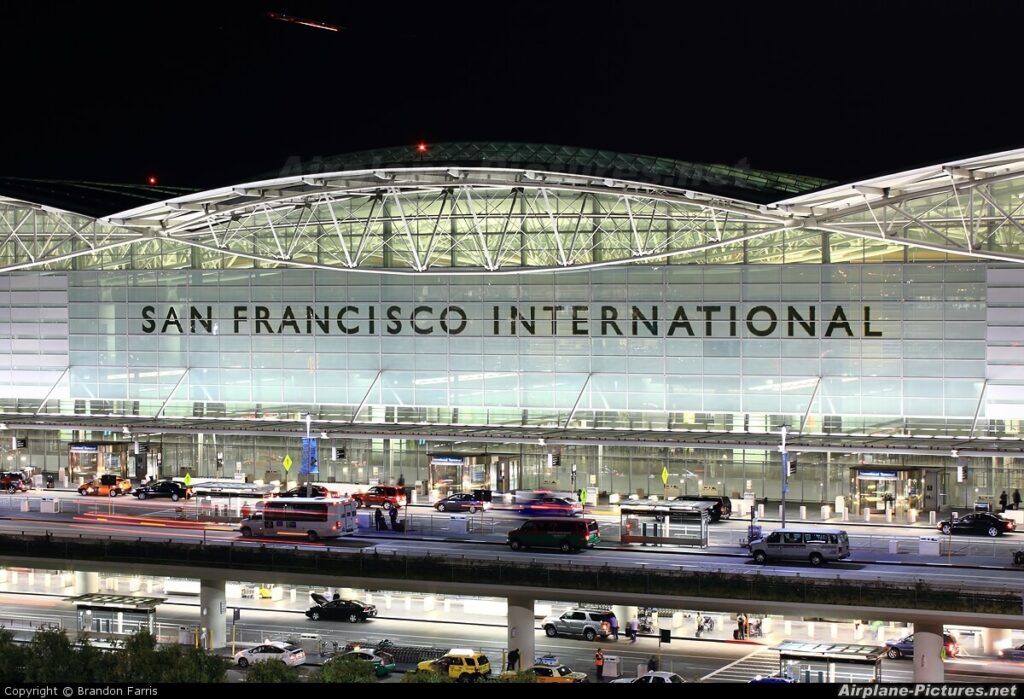

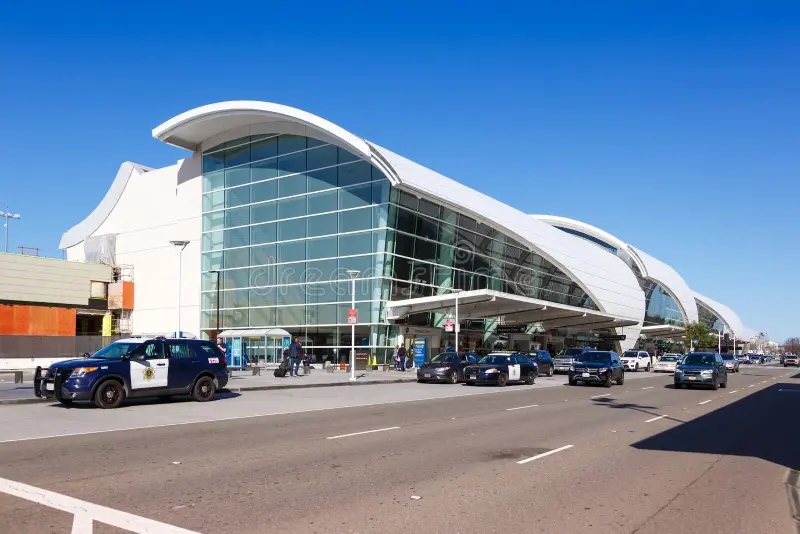
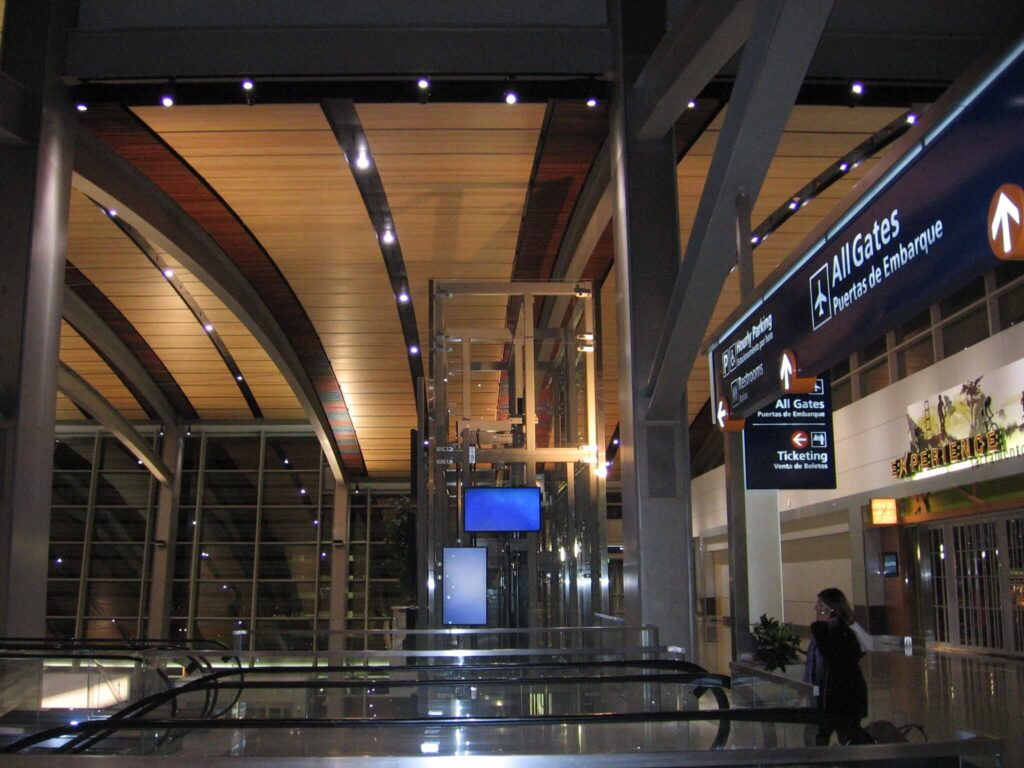
When to adjust for SFO, OAK, or long-distance pickups
Adjust your plan for the airport and origin. Trips to SFO may involve longer cross-region driving for East Bay residents, while OAK may be closer for some travelers but still require time for airport roads and terminal access. A pickup that begins far from the airport should include more contingency than one starting nearby.
For SFO departures, review practical San Francisco airport transportation options before selecting a pickup time. For OAK, consider the terminal and airline as part of the itinerary rather than treating the airport address as the only detail. If your pickup is before dawn, the same principles apply; see what to know about an early-morning airport taxi when planning a trip that begins during overnight hours.
Common late-night airport transportation scenarios
Red-eye departures
A red-eye departure often creates a deceptively tight schedule. Travelers may finish work, attend an evening event, or put children to bed before leaving, which leaves less room for forgotten items and delayed packing. Make a written departure checklist earlier in the day: identification, boarding pass, medication, wallet, chargers, travel documents, house keys, and luggage.
Confirm the terminal and airline directly with the airline on travel day. Airports can change operational details, and arriving at the wrong terminal can create an avoidable walk or transfer. If a driver is collecting you at home, be outside or ready to exit at the agreed time rather than waiting to finish last-minute tasks.
Mid- to overnight arrivals
After a late arrival, the best pickup timing is based on readiness, not just touchdown. Turn on your phone after landing, retrieve baggage, and follow posted signs to the agreed transportation area. If a delay occurs, notify the provider as soon as you have reliable information. This is especially useful if the flight diverts, baggage is delayed, or you need to assist another passenger.
At SFO, terminal curbside space is managed for active loading and unloading, so travelers should not expect a driver to wait at the curb or roadway. SFO’s official ground transportation guide explains designated taxi areas, meeting arrangements, and the Cell Phone Waiting Lot used by drivers waiting for arriving passengers. Confirm the terminal and exact legal meeting location in advance, then message when you are actually ready to be collected.
Family or group airport rides
Families and groups should plan capacity before booking. Count passengers, checked bags, carry-ons, strollers, car seats, and any mobility equipment. A vehicle that works for two adults with small bags may not work for four people returning with large suitcases. State the full load honestly when arranging service.
Traveling with children also adds time at every transition. Use airport transportation tips for families to prepare car seats, snacks, entertainment, documents, and a manageable luggage plan before the night becomes rushed. If car seats are needed, confirm responsibility for bringing and installing them according to applicable safety requirements.
What to expect from a professional airport taxi service at night
Comfort, luggage space, and door-to-door service
A professional taxi service can offer a straightforward door-to-door option for an overnight airport transportation trip. The practical benefits are simple: you can begin at your address, load luggage at pickup, and travel directly to the airport or home without coordinating parking or asking someone to make a late drive.
Expectations should remain realistic. A driver can assist with ordinary luggage handling when appropriate and follow the agreed pickup plan, but travelers remain responsible for having documents, valuables, medication, and required child restraints ready. If you have oversized or unusually heavy items, disclose that before booking so the provider can confirm whether the trip is suitable.
Local knowledge and route selection
Local knowledge is useful when an airport entrance changes, a roadway is restricted, or a pickup requires a legal alternative to a crowded terminal curb. A driver may select a route based on conditions at the time, but no route choice can remove all uncertainty. Travelers can help by giving an accurate address, identifying major access limitations, and allowing enough time.
For a broader look at arranging local service, Dublin City Cab’s local transportation resources can help travelers identify the right starting point for an airport plan. Clear information matters more at night because there is less time to correct misunderstandings once a vehicle is en route.
Practical tips to reduce stress before you leave
Confirm flight details and pickup information
Check your flight status, terminal, airline guidance, and pickup confirmation on the day of travel. Reconfirm the pickup address and requested time, especially if the reservation was made days or weeks earlier. Save the transportation provider’s contact information and keep your phone charged. If the travel party is splitting up at the airport, decide who will communicate with the driver.
For arrivals, send the flight number if it was not provided earlier, but avoid assuming flight tracking alone resolves every detail. A flight can land on time while passengers remain delayed at the gate or baggage claim. A simple message such as “landed, waiting for bags” and then “ready at the agreed location” is usually clearer.
Pack, organize, and stage your luggage early
Pack before the evening becomes busy. Place identification, boarding passes, prescriptions, keys, and chargers in a personal item that stays with you. Set checked bags near the exit, weigh them if needed, and attach identification according to your preference. For a return trip, leave room for souvenirs or work materials rather than forcing every bag to capacity.
Keep coats, umbrellas, and items needed immediately after landing accessible. This is particularly helpful for a late return when you may be tired, the weather has changed, or you need to locate a parking, hotel, or home key quickly.
Choose the right pickup point
At home, choose a location that is safe and easy to identify, such as a building entrance or curbside area where stopping is permitted. At the airport, use the location specified by the airport and transportation provider. Do not ask a driver to stop where signs prohibit waiting, even if it seems convenient. Following designated pickup procedures helps keep the airport roadway moving and prevents confusion during a late arrival.

Where local Bay Area travelers should focus their planning
Traveling from Dublin or nearby East Bay areas
Travelers departing from the Tri-Valley should consider the full door-to-terminal journey rather than relying on a general map estimate. Your neighborhood access, bridge or freeway route, airport choice, and the time needed at the terminal all affect when a car should arrive. If someone else is joining from a separate address, decide whether one pickup is practical or whether meeting first creates unnecessary risk.
A scheduled ride can be especially useful for an early departure when household routines, parking concerns, or a long return trip for a friend would complicate the plan. Reserve with complete details, prepare luggage before pickup, and leave enough margin for the route to unfold normally.
Traveling from Alamo or nearby communities
Residents in and around Alamo may need to account for local street access before reaching major roads. Provide the exact address, any gated-entry instructions, and a phone number that will be available at pickup. Avoid relying on a vague neighborhood landmark when a precise entrance makes the process easier.
For travelers arranging an after-hours airport ride, review the local Alamo service information early rather than leaving availability questions until the night of the trip. The principle is the same for every community: clear pickup instructions and a confirmed schedule reduce avoidable friction.
If you are flying out of San Francisco or Oakland
SFO and OAK both require airport-specific planning. Verify the terminal with your airline, follow signs after entering the airport, and understand the pickup rules for a return trip. At SFO, taxis are available from center islands outside the Arrivals level, while other ground transportation modes use their own designated areas. At OAK, follow the airport’s current signage and the instructions provided for your service rather than assuming every vehicle can use the same curb.
For a late Oakland airport pickup, reviewing Oakland airport pickup tips in advance can make it easier to identify the correct meeting point after baggage claim. When arriving at either airport, wait until you have reached the agreed pickup area before asking the driver to approach.
How Bay Area traffic and airport logistics affect late-night timing
Nighttime can bring lighter traffic, but it should not be treated as a guarantee of a fast trip. Roadwork, collisions, lane closures, fog, rain, bridge conditions, and airport roadway congestion can change the practical travel time. Late flights can also arrive in clusters, increasing activity around baggage claim and pickup zones even after midnight.
Airport logistics add their own timing layer. A driver may need to use a designated waiting area until a passenger is ready, then enter the terminal loop at the appropriate time. This is why a specific “I am at door X on the arrivals level” message is more helpful than “I just landed.” It reduces unnecessary circling and supports compliance with airport traffic rules.
For departures, leave enough margin that a route adjustment does not create panic. For arrivals, bring a charged phone and know your backup contact method if mobile service is weak. These are not reasons to overcomplicate the trip; they are practical steps that make an overnight ride more resilient.
When an early-morning trip becomes a late-night planning problem
A 4:00 a.m. or 5:00 a.m. airport departure often requires preparation the night before. In practical terms, it has the same planning needs as late-night travel: limited alternatives, quieter neighborhoods, fewer open services, and a greater need for a confirmed pickup. Treat it as an overnight itinerary, not an ordinary morning errand.
Set out clothing, documents, luggage, and keys before bed. Confirm the alarm and arrange a second alarm if missing the pickup would be especially disruptive. Let household members know when you are leaving, particularly if a vehicle needs access to a driveway or gate. For a return reservation, retain the provider’s contact information and verify the airport pickup process before you depart.
A well-organized plan gives you more than convenience. It lets you focus on the flight ahead instead of making transportation decisions when you are tired. That is the practical value of planning late-night airport transportation in the Bay Area before travel day.
Frequently asked questions about late-night airport transportation
Should I reserve a late-night airport taxi in advance?
Advance reservations are generally advisable for overnight or unusually early trips. They allow you to provide the pickup address, airport, flight details, passenger count, and luggage information before travel day. Confirm the reservation and contact procedure shortly before the trip.
How early should I schedule an airport ride for a red-eye flight?
Work backward from the time you need to be at your terminal. Include the drive, airline check-in and bag deadlines, security, terminal walking time, and a realistic buffer for unexpected road or airport delays. Your airline’s current guidance should shape the final schedule.
What should I do if my late-night flight is delayed?
Notify your transportation provider as soon as you know there is a significant change. After landing, update them again when you are retrieving bags and when you reach the agreed pickup location. Do not assume a driver can wait at a terminal curb outside airport rules.
Where should I meet my ride at SFO after midnight?
Confirm the terminal and designated legal pickup point with your provider before landing, then follow airport signage. SFO uses defined ground transportation areas, and curbside space is intended for active pickups and drop-offs rather than vehicle waiting.
Can a late-night airport ride accommodate a family and luggage?
It may, but disclose the number of passengers, bags, strollers, car seats, and special equipment when booking. Confirm that the planned vehicle has suitable capacity and make arrangements for required child restraints before the pickup.
Conclusion: plan ahead for a smoother overnight airport ride
Late airport travel does not need to be stressful when the essentials are settled early. Choose a suitable provider, reserve ahead when possible, build a sensible time buffer, and confirm the pickup details that matter most: address, terminal, meeting point, passenger count, luggage, and contact method. For arrivals, wait for the correct designated location rather than improvising at the curb.
Whether your trip begins with a red-eye departure or ends with a midnight arrival, an organized plan supports a calmer experience. Thoughtful scheduling, clear communication, and realistic expectations are the foundations of dependable Bay Area airport transportation at any hour.