

How Long Does It Take from Blackhawk to SFO? Travel Time Guide
How Long Does It Take from Blackhawk to SFO? Expect 55–80 minutes in lighter traffic; build in extra time for commutes, airport delays, and terminal arrival.
Quick Answer: Typical Blackhawk to SFO Travel Time
How Long Does It Take from Blackhawk to SFO? In normal, lighter traffic, plan on roughly 55 minutes to 1 hour 20 minutes for the drive from Blackhawk, CA, to San Francisco International Airport. During heavier weekday commute periods, holiday travel, poor weather, road work, or a major incident, the Blackhawk to SFO travel time can stretch to 1 hour 30 minutes or more.
That range is a practical planning estimate, not a promise. The trip covers a substantial cross-Bay Area distance and depends on conditions that can change quickly after you leave. A route often begins on I-680 and may continue through the I-580 and I-238 corridor before joining the freeway system toward the airport. The exact path can vary with live traffic and the pickup point within Blackhawk.
For most travelers, the more useful question is not simply the Blackhawk to SFO driving time. It is when to leave so that a traffic delay, a longer terminal approach, checked bags, or security lines do not turn a manageable airport run into a stressful one. Building a sensible buffer is especially important for an early morning flight, an international departure, or travel during peak hours.
If you prefer a scheduled ride instead of driving and parking, a Blackhawk taxi service can make the airport drop-off portion more straightforward. A prearranged pickup does not eliminate traffic, but it can remove the need to coordinate parking, find your car after a trip, or wait to see whether a ride is available at the last minute.
Practical rule: Start with a 55- to 80-minute road-trip estimate, then add airport arrival time and an extra cushion for the conditions of your travel day.
What Affects How Long the Trip Takes
Blackhawk to San Francisco airport travel is not governed by one fixed clock. Highway flow, local access roads, the day of the week, and activity around SFO all matter. Knowing the main variables helps you choose a more realistic departure time rather than relying on the best-case estimate.
Traffic and time of day
Weekday commute patterns can have the largest effect. Congestion may build on I-680 as traffic moves through the East Bay, and bottlenecks can develop where the route connects with I-580, I-238, and other major Bay Area freeways. The direction and severity of backups change by time of day, so a drive that feels relatively smooth at midday may be notably slower during the morning or afternoon commute.
Friday afternoons, the day before a holiday, and popular weekend departure windows can also add time. Weekend travel is not automatically fast: sporting events, concerts, bridge-area activity, road projects, and airport demand can alter the usual pattern. Conversely, a late-night airport ride may encounter lighter highway traffic, though construction closures can be more common overnight.
Route choice and local access
A navigation app or professional driver may select different freeway connections based on current conditions. The fastest route on a map is not always the most dependable route once temporary lane closures or stop-and-go traffic are considered. Leaving a few minutes early from a gated community, a winding neighborhood road, or a pickup location farther from the main road can also affect the total door-to-terminal time.
For a scheduled Blackhawk cab to SFO, share the precise pickup address, desired pickup time, airline, and terminal details in advance. Those details help the ride begin efficiently and reduce avoidable back-and-forth when timing matters.
Weather, construction, and flight timing
Rain can slow traffic throughout the Bay Area, particularly when road surfaces are first wet or visibility is reduced. Construction, lane reductions, collisions, and CHP activity can create delays that no one can predict far in advance. Before leaving, check the Caltrans real-time traffic map for highway speeds, closures, incidents, and other road-condition alerts. It is useful situational information, but it is not a substitute for route planning or a reason to skip your airport buffer.
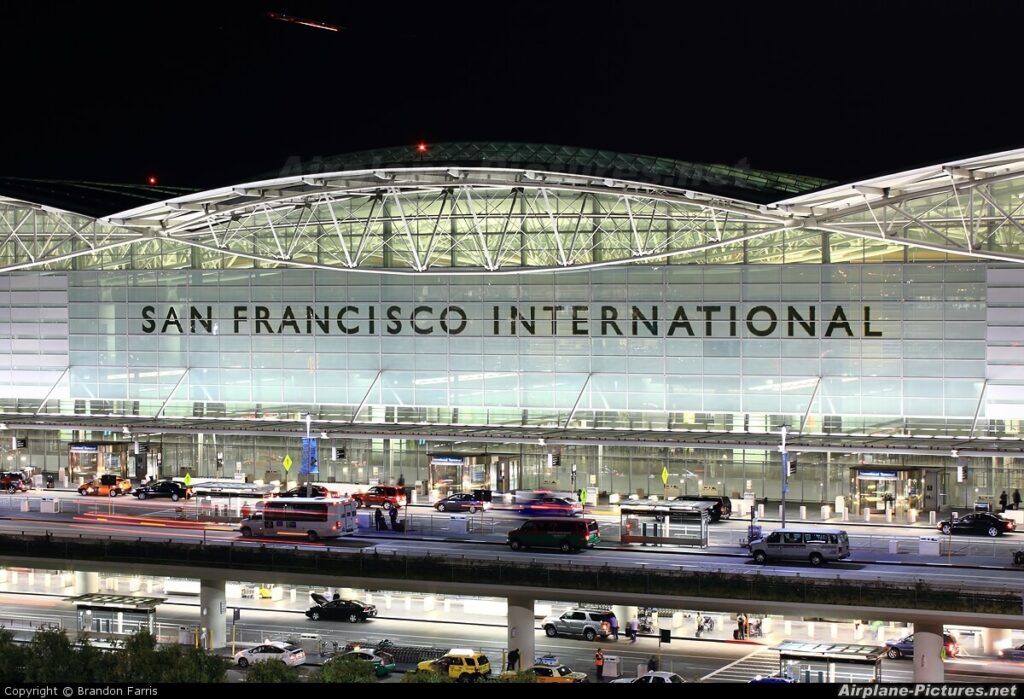
Finally, the drive is only one part of the trip. Airport congestion around terminal roadways, a busy drop-off area, checked-bag deadlines, and security screening all influence when you need to depart Blackhawk. Plan for the whole journey, not just the time spent behind the wheel.


Best Way to Estimate Your Blackhawk to SFO Departure Time
The most dependable way to plan a SFO transfer from Blackhawk is to work backward from the time you need to be inside the terminal. Start with your airline’s recommended arrival guidance and any bag-drop cutoff, then add the driving estimate and a traffic cushion. This approach is more reliable than choosing a departure time based on an ideal, no-traffic route.
For many domestic flights, travelers aim to arrive at SFO around two hours before departure. For international travel, three hours is a common planning target, though your airline and itinerary should guide the final decision. Add more time if you expect to check bags, travel with children, need mobility assistance, are flying at a busy holiday period, or simply prefer a less rushed airport experience.
| Travel situation | Planning approach from Blackhawk |
|---|---|
| Midday domestic flight | Use the normal drive estimate, then add an airport arrival buffer and extra time for possible freeway slowdowns. |
| Weekday commute-period departure | Assume traffic may push the drive toward the high end of the range; leaving earlier is usually the lower-stress choice. |
| International flight or checked bags | Work backward from an earlier terminal-arrival goal and allow a larger road-delay cushion. |
| Early morning flight | Expect lighter traffic in many cases, but confirm pickup logistics and account for overnight road work or closures. |
| Late-night flight | Plan a confirmed ride ahead of time and do not assume every transportation option will be immediately available. |
Build buffer time into the plan
Buffer time is not wasted time; it is what protects the rest of your itinerary when conditions change. A useful planning cushion might cover a slow exit from Blackhawk, a traffic backup on I-680 or I-238, an airport access-road delay, or extra time locating the correct terminal entrance. The appropriate amount varies by traveler, but a tight itinerary deserves more protection than a flexible one.
Recheck conditions shortly before departure and adjust when practical. If you are booking airport transportation from Blackhawk, it is generally better to schedule a slightly earlier pickup than to depend on every step of the trip going perfectly. Arriving early gives you options; arriving late removes them.
Why an Airport Taxi Can Be the Easiest Option
Driving yourself means accounting for fuel, parking availability, parking charges, shuttle time if applicable, and the return trip after travel. For passengers who want a door-to-terminal trip, a prearranged ride from Blackhawk to the airport can be a simpler alternative. You can focus on flight documents and luggage rather than navigating airport parking.
A taxi is particularly useful when several travelers are coordinating one departure time, when luggage makes a transfer less convenient, or when the flight leaves outside typical daytime hours. Confirming the ride in advance also provides more structure than opening an app shortly before you need to leave and hoping that a nearby driver accepts the trip.
That said, neither a taxi nor a rideshare can guarantee a specific arrival time in changing Bay Area traffic. The advantage is practical predictability around the pickup: you can schedule the ride, provide your address and terminal, and plan your departure buffer around a known arrangement. For a closer look at the tradeoffs, this guide to airport taxi versus rideshare in Blackhawk can help travelers decide which option better fits their schedule.
Off-hours transportation deserves extra attention
Early flights and late arrivals often require more advance planning than midday travel. Before sunrise, you may face less freeway congestion but have fewer spontaneous transportation choices. After a late landing, the concern may be a reliable ride home rather than the outbound drive. Travelers arranging an unusual-hour departure can review options for late-night airport transportation from Blackhawk and schedule accordingly.
When booking any Blackhawk airport transportation, communicate whether you need an airport drop-off or airport pickup, how many passengers are traveling, and whether you have oversized luggage, car seats, or extra stops. Clear details support better planning and help avoid a rushed departure.
How Blackhawk Compares with Nearby East Bay Pickups
Blackhawk sits within the broader Tri-Valley transportation area, so its SFO travel pattern shares some of the same freeway corridors used by nearby communities. However, each pickup begins with different local-road access, and even a small difference before reaching I-680 can matter during peak traffic. The regional overview in this Blackhawk and Tri-Valley transportation guide is useful for understanding the area’s airport and local ride-planning considerations.
From Dublin, the trip toward SFO may start closer to certain freeway connections, but travelers should still use current conditions rather than assuming a shorter local approach guarantees a quicker airport arrival. From Camino Tassajara, local access roads can add their own timing considerations before the freeway portion begins.
SFO is not the only airport option, although it may be the right one based on airline, fare, schedule, or destination. Oakland Airport can be more convenient for some East Bay itineraries; compare the practical considerations in the Blackhawk to Oakland Airport transportation guide. For flights using Mineta San José International Airport, review available San José airport transportation options before committing to a departure plan. The best airport is not always the geographically nearest one; flight schedules and total door-to-gate time matter too.
Practical Tips for a Smoother Trip to SFO
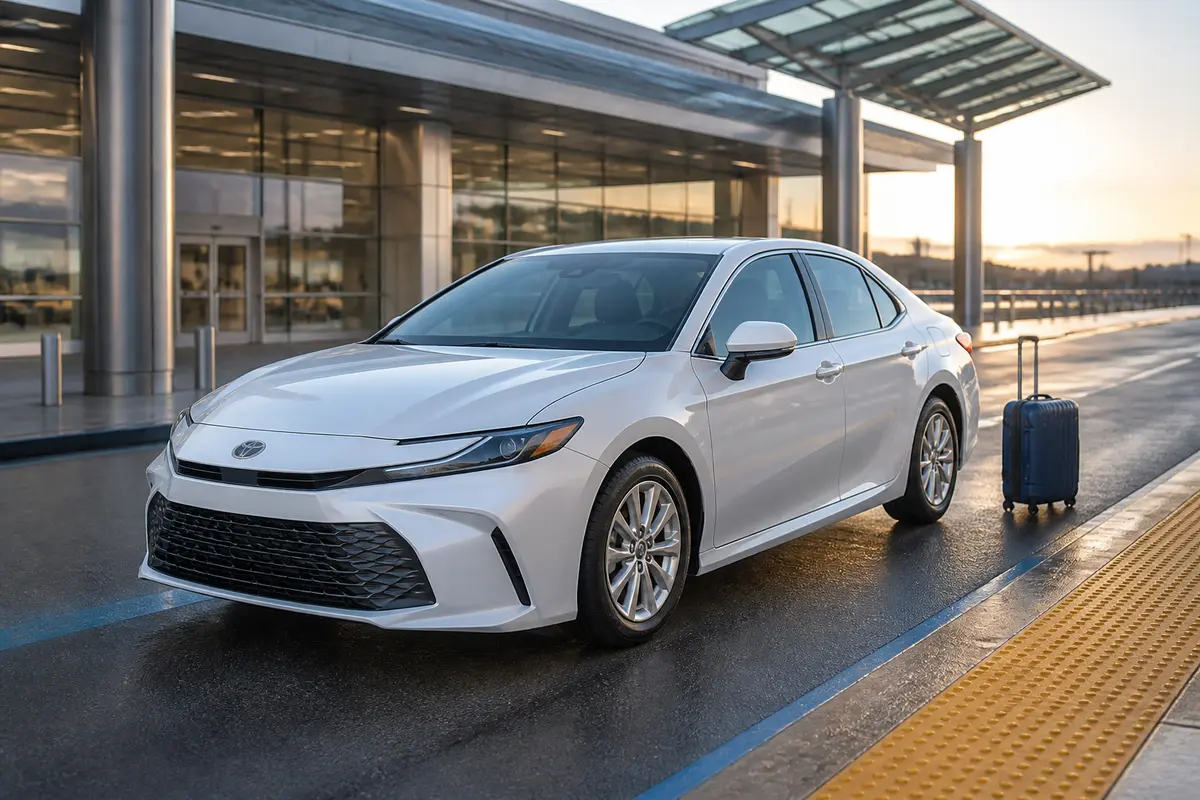
Good route planning turns a variable drive into a manageable one. Whether you book a Blackhawk to SFO taxi, arrange a rideshare, or have someone drive you, a few advance steps can reduce preventable delays.
- Confirm the exact terminal and airline. SFO terminal assignments and airline procedures matter. Verify your departure terminal before your pickup time, and keep your flight number available in case your plans change.
- Schedule the pickup based on your terminal-arrival goal. Do not schedule solely from the flight’s departure time. Work backward from the time you want to be at the airport, then add a realistic drive estimate and buffer time.
- Provide complete pickup details. Include the street address, gate or community instructions when relevant, passenger count, luggage needs, and a reachable phone number. This is especially helpful for larger Blackhawk properties and early-morning pickups.
- Check traffic shortly before leaving. Look for new incidents, weather concerns, and road work. If the route has slowed, leaving promptly rather than waiting for the last minute preserves your options.
- Pack and organize the night before. Put identification, boarding documents, medication, chargers, keys, and travel essentials where they are easy to reach. Fewer last-minute searches mean a more dependable departure.
- Allow time for the terminal approach. Reaching SFO property is not the same as being at the correct airline entrance. Airport drop-off traffic can move slowly during busy periods.
Choose a transportation plan that matches the trip
For a solo traveler with a flexible itinerary, several options may work. For a family, a group with luggage, an older traveler, or anyone taking an early morning flight, prearranged transportation may provide more peace of mind. A scheduled Blackhawk airport taxi lets you set a pickup time before the travel day rather than making transportation another last-minute task.
If someone is collecting you after a return flight, agree on the pickup method in advance. Airport pickups can be affected by terminal rules, luggage-claim timing, and traffic around arrivals. Share flight updates and wait until you understand where pickup is permitted before coordinating the final meeting point.
FAQ About Blackhawk to SFO Travel Time
How long does it usually take to drive from Blackhawk to SFO?
A practical estimate is about 55 minutes to 1 hour 20 minutes under lighter or typical conditions. During weekday commutes, bad weather, construction, major incidents, or heavy airport traffic, allow 1 hour 30 minutes or more. Treat the range as a planning guide rather than a guaranteed travel time.
What time should I leave Blackhawk for an SFO flight?
Work backward from the time you need to arrive at the terminal. Many domestic travelers plan to be there about two hours before departure, while international travelers often allow about three hours. Add the drive time plus a meaningful traffic cushion, and allow even more margin during peak hours or busy travel periods.
Is it faster to take a taxi or rideshare to SFO from Blackhawk?
Once on the road, both usually face the same traffic conditions, so neither option reliably makes the freeway trip faster. The difference is often planning and availability. A prearranged taxi can offer a confirmed pickup time, while rideshare availability and pricing may vary when you request a ride.
Does traffic make a big difference on the Blackhawk to SFO route?
Yes. Traffic can substantially change Blackhawk to SFO driving time, especially around weekday commute periods and freeway connections such as I-680, I-580, and I-238. Rain, collisions, construction, and airport roadway congestion can also add time. Check current conditions near departure, but keep your planned buffer.
Should I leave earlier for morning flights from Blackhawk to SFO?
Usually, yes. Highway traffic may be lighter very early, but morning flights leave little room to recover from a delayed pickup, an overnight closure, or a longer-than-expected terminal process. An earlier departure and a confirmed ride are sensible precautions for a low-stress start.
Final Takeaway
For most trips, expect the drive from Blackhawk to San Francisco International Airport to take roughly 55 minutes to 1 hour 20 minutes, with significantly longer travel possible when traffic conditions are unfavorable. The smartest plan is to work backward from your required terminal-arrival time, add a realistic road buffer, and check conditions again shortly before leaving.
For an early departure, a busy weekday, or a trip where parking is not appealing, arranging airport transportation ahead of time can simplify the day. By confirming your terminal, pickup details, luggage needs, and timing in advance, you can approach the Blackhawk-to-SFO trip with a practical plan rather than an optimistic guess.