

Airport Taxi vs Public Transportation in the Bay Area
Compare Airport Taxi vs Public Transportation in the Bay Area and choose the travel option that suits your plans with Dublin City Cab for your airport journey.
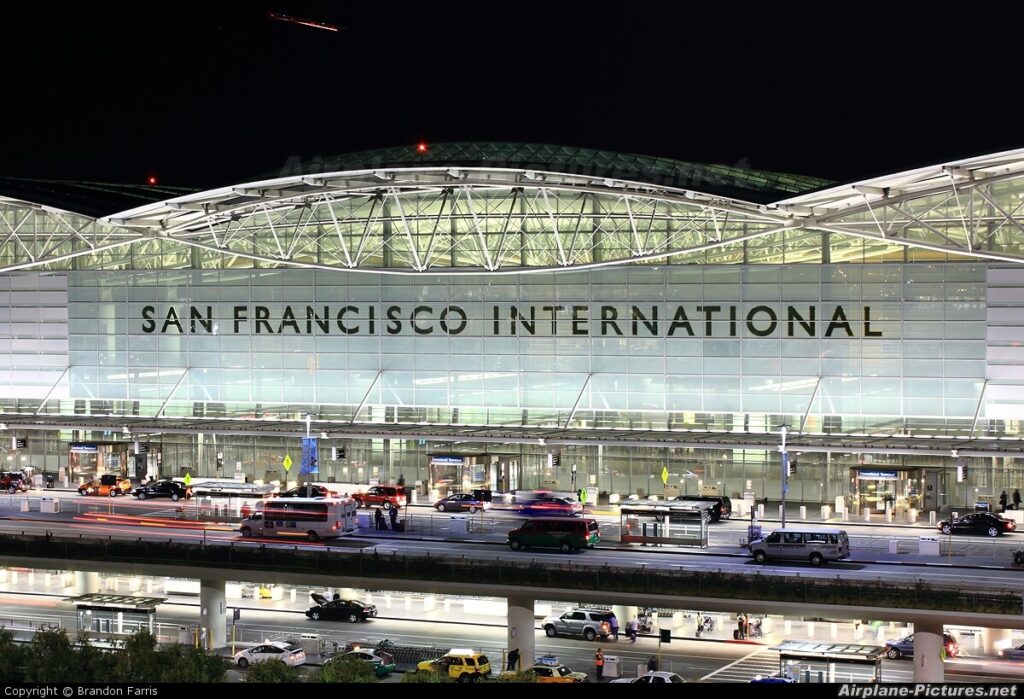
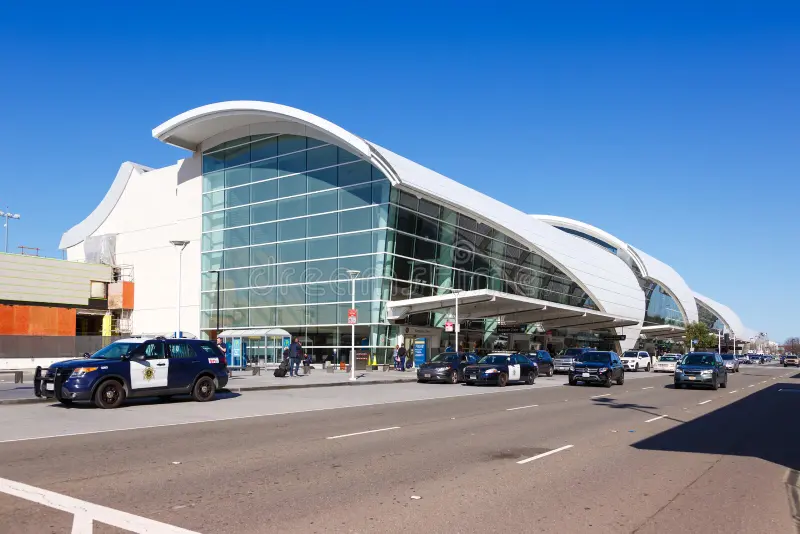
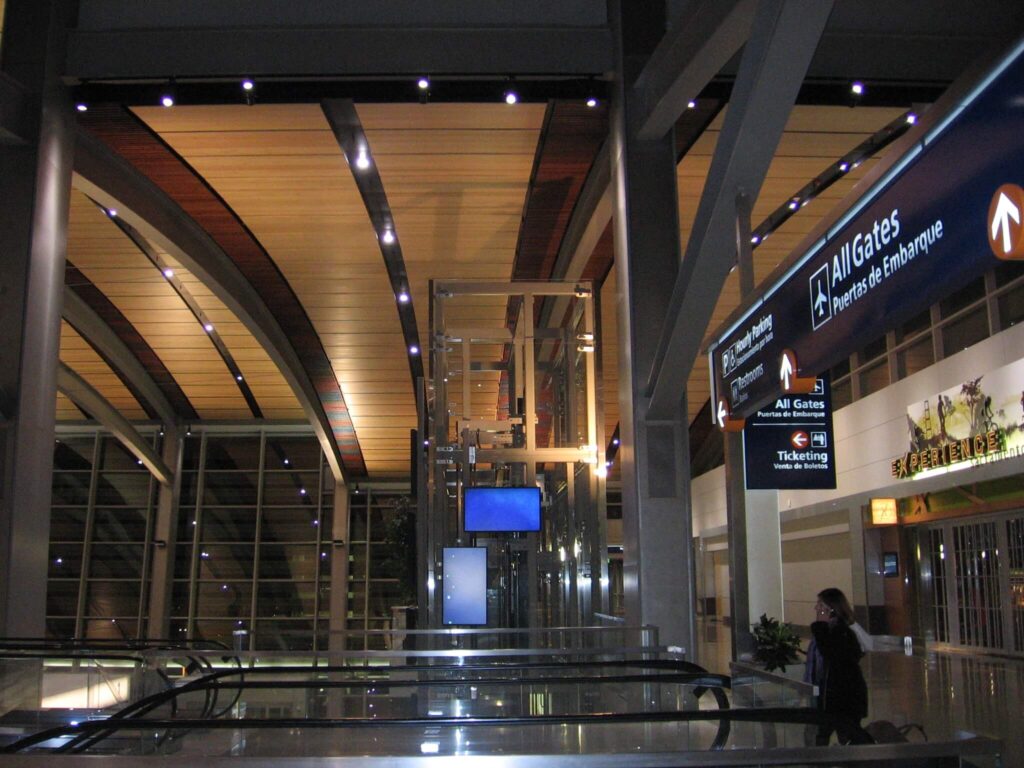
Getting to an airport is rarely just a question of finding the lowest fare. The better choice depends on how far you are from a station, whether your flight fits the transit schedule, how much luggage you have, and how many separate steps stand between your door and the terminal. For travelers heading to San Francisco International Airport (SFO), Oakland International Airport (OAK), or San Jose Mineta International Airport (SJC), Dublin City Cab provides relevant taxi transportation context when a direct ground ride better fits the itinerary.
A realistic comparison looks at the entire journey: reaching a stop or station, waiting, making transfers, walking through the airport, and allowing for unexpected changes. Public transportation can be an excellent fit in some circumstances. In others, a taxi removes enough moving parts to make the trip easier to manage.
What Changes the Best Airport Transportation Choice in the Bay Area
No single option is automatically best for every airport trip. A lightly packed solo traveler starting near a convenient rail connection may reasonably prioritize public transit. A family leaving from a residential area with several bags and a fixed check-in deadline may prioritize a direct ride instead.
Start with the airport itself. Transit connections to SFO, OAK, and SJC differ, as do the final walks, transfers, and timing involved. Regional resources identify all three as major airports with public-transit access, but access is not the same as a simple door-to-terminal trip. Before deciding, check official Bay Area airport transportation information for current connections, traffic, parking, and airport-specific planning details.
Your pickup point matters just as much. Someone beginning near a station may have a short first leg, while someone in a neighborhood farther from a transit line may need another ride before the transit journey starts. For example, a traveler leaving Blackhawk should include the first-mile trip to the station in both the time and convenience calculation.
- Flight timing: Consider check-in needs, security time, and whether your arrival or departure fits current transit operations.
- Pickup and drop-off points: Measure the journey from your actual door to the correct terminal, not only from a station to the airport.
- Passengers and bags: More people, carry-ons, strollers, or checked luggage can change the practical value of a direct vehicle.
- Mobility and comfort: Transfers, stairs, platform changes, and longer walks may be more difficult for some travelers.
- Schedule tolerance: Decide how much flexibility you have if a connection is missed or a flight plan changes.
The lowest visible transit fare may be the right answer for a straightforward trip, but it does not capture every cost in time, effort, or missed-connection risk. Conversely, a direct taxi fare should be assessed against the full convenience it provides for that particular itinerary.
When Public Transportation Can Work for an Airport Trip
Public transportation can be a practical choice when the route is operating at the needed time, the traveler can reach it easily, and the overall trip has few transfers. BART, Caltrain, AC Transit, SamTrans, and VTA may be relevant depending on the airport and origin, but the useful route is the one that works for the traveler’s specific day and terminal—not simply the one that appears closest on a map.
This option often suits a solo traveler with a backpack or small rolling bag, a flexible schedule, and a direct or simple connection. It can also work well when airport parking is undesirable and the traveler is comfortable navigating stations and terminal access on foot.
Transit schedules, transfers, and the full travel time
Build the itinerary backward from the flight rather than relying on the nominal ride time. Include the walk or ride to the station, time waiting for the first vehicle, each transfer, the airport connection, and the trip from the final stop to the terminal. A route with one easy transfer can be manageable; several tightly timed connections can make an otherwise inexpensive journey less appealing.
Verify current schedules close to departure, especially for early flights, late arrivals, weekends, and holidays. A traveler starting near Camino Tassajara, for instance, may find that the first and last miles add more complexity than the rail portion of the trip suggests. If a missed connection would threaten a flight or leave little room for adjustment, that should weigh heavily in the choice.
Luggage, group size, and physical practicality
Public transit is usually easiest when you can move independently with everything you carry. Multiple suitcases, a child seat, bulky equipment, or a group with different walking speeds can turn transfers into a more demanding process. The issue is not whether transit is possible; it is whether it remains comfortable and predictable from curb to terminal.
Consider the physical details before committing: steps and elevators, platform changes, available space for bags, walking distance at the airport, and the need to keep a group together. For travelers with light luggage and a well-aligned route, those details may be minor. For others, they may be the deciding factor.


When a Bay Area Airport Taxi Is the More Practical Option
A taxi is often the more practical option when the value of the trip comes from reducing handoffs. Instead of coordinating station access, transit timing, transfers, and a final airport connection, the traveler can focus on a single pickup and terminal drop-off. That directness can be particularly useful when the starting point is not close to a convenient transit line.
For a traveler seeking a taxi service in Livermore, a direct ride may make sense when bags, departure timing, or a multi-person itinerary make a station-based route less attractive. Dublin City Cab’s role in this comparison is not to suggest that transit is never suitable, but to help travelers recognize when taxi transportation better matches the practical demands of an airport run.
Direct travel from pickup to terminal
Door-to-door airport transportation is valuable when each added stage creates friction. A direct taxi ride can avoid carrying bags onto and off transit, coordinating a first-mile connection, or separating a group across a busy platform. It can also simplify departure from a home, hotel, office, or residential area where station access is not immediate.
This is especially relevant for groups. A transit fare may look favorable per person in some cases, but the real question is how the whole party will travel with its luggage and stay on schedule. A direct ride can be a more manageable choice when the group needs one shared departure point and one terminal drop-off point.
Flights outside convenient transit windows
Early-morning departures and late-night arrivals deserve an extra schedule check. Public transportation may still be possible, but travelers should confirm every leg, including the first and final connections, before relying on it. A taxi can be useful when the transit itinerary creates a long wait, requires an inconvenient connection, or leaves too little margin before a flight.
The same reasoning applies after landing. A delayed flight, tired travelers, and several bags can change what felt practical during planning. For a luggage-heavy trip to or from Danville, reducing transfers may be more important than following the original lowest-cost plan.
Comparing Cost, Time, and Convenience Without Oversimplifying
Comparing a taxi with public transit works best when you compare complete journeys rather than isolated prices. Transit can have a lower direct fare, particularly for one person on a convenient route. A taxi may carry a higher upfront cost, yet remove the separate costs and effort associated with station access, transfers, parking decisions, or traveling as a group.
| Factor | Public transportation may suit | A taxi may suit |
|---|---|---|
| Route shape | Direct or simple connection near the pickup point | Pickup point requires a difficult first or last mile |
| Timing | Flight fits confirmed service and allows flexibility | Departure or arrival falls outside convenient transit timing |
| Luggage | Light, easy-to-manage bags | Several, heavy, or awkward bags |
| Travel party | Solo traveler comfortable with transfers | Group that benefits from traveling together |
| Trip experience | Walking and transfers are acceptable | Direct terminal access is a priority |
Time should include more than time in a vehicle or train. Add walking, waiting, transfers, station access, airport drop-off, and a reasonable buffer for the specific flight. For someone beginning in Diablo, the full door-to-terminal journey may look very different from the transit segment alone. Similarly, travelers around Stoneridge should account for how conveniently the first connection fits their actual departure time.
Questions to ask before choosing your ride
- Can I reach the transit stop or station without adding a complicated first leg?
- Does the route operate when I need to leave or return?
- How many transfers, walks, and luggage moves are involved?
- How much time margin do I have if a connection does not work out?
- Am I traveling alone, or would a shared direct ride simplify the trip?
- Would airport parking, drop-off logistics, or a return journey change the overall value?
There is no universal winner. A clear, current transit itinerary can be efficient, while a direct ride can be worth considering when the journey has more timing pressure or logistical steps.

Choosing the Right Ride for Your Airport Itinerary
Match the transportation choice to the actual shape of the trip. Public transportation is often a sensible option for a lightly packed traveler who can reach a station easily, has a route with manageable transfers, and can tolerate some schedule flexibility. It is also a reasonable choice when the airport connection is clear and the traveler has confirmed current operating details.
A taxi becomes more compelling when directness is the priority: several bags, multiple travelers, a remote pickup point, a tight departure, or a late landing can all make transfers less appealing. For travelers comparing Livermore airport ride options, the best decision comes from comparing the full itinerary rather than assuming that one mode fits every airport trip.
Airport destination also affects the decision. SFO, OAK, and SJC each have different transit connections and terminal approaches. If SJC is the destination and a direct ground ride better fits the plan, review available San Jose airport transportation options alongside the current transit itinerary. This keeps the decision focused on the route, flight time, passengers, and bags rather than on a general preference for one travel mode.
A few common scenarios illustrate the difference:
- Flexible solo trip: A traveler near a convenient station with one small bag may find public transit practical after checking the full route and schedule.
- Business departure with little margin: A direct pickup may be easier to manage when a missed connection would create meaningful stress or risk.
- Family airport run: Keeping people and luggage in one vehicle can reduce the coordination required by multiple transit legs.
- Late arrival: Confirm the final connection before departure; if it is not convenient, a direct ride may offer a simpler route home.
Planning a More Straightforward Bay Area Airport Trip
The useful comparison is not “taxi or transit” in the abstract. It is which option gets you from your starting point to the correct terminal with an acceptable balance of cost, time, comfort, and schedule confidence. Check live transit information when considering public transportation, allow enough buffer for airport procedures, and count every transfer and walk—not just the main ride.
If your route is direct, your luggage is light, and the schedule aligns, public transit may be an effective way to reach a Bay Area airport. If the trip involves a tight flight schedule, several bags, a group, or inconvenient station access, a direct taxi can reduce the number of decisions along the way. For an Alamo traveler facing one of those more demanding scenarios, Dublin City Cab is a relevant taxi transportation option to consider as part of a practical airport plan.
Make the choice after mapping the complete trip: pickup point, airport, terminal, travel window, luggage, passengers, and backup options. That approach produces a more useful decision than comparing fares alone.