

Taxi vs BART for Bay Area Airport Travel
Planning taxi vs BART for Bay Area airport travel? Compare station access, luggage, service hours, terminal transfers, traffic, and group needs before flying.
Choosing between a taxi and BART can shape the entire beginning or end of a Bay Area trip. A lower-cost train ride may be ideal when the station is convenient and your schedule is flexible. A taxi may be the calmer choice when you are carrying bags, traveling before transit is practical, or trying to arrive without managing several connections. The right answer is rarely the same for every traveler.
This guide to taxi vs BART for Bay Area airport travel looks beyond the basic fare question. It considers where you are starting, which airport and terminal you need, the time of day, the amount of luggage you have, and how much uncertainty you can reasonably accept. For travelers who want a prearranged, door-to-door option, Dublin City Cab’s airport transportation options provide a useful alternative to coordinating station access and train connections.
Quick Take: Taxi or BART?
A taxi generally prioritizes direct travel. It picks you up at your address and takes you to the airport terminal or designated ground-transportation area without requiring you to carry luggage through a station or transfer between services. That can be especially valuable for early flights, late-night arrivals, family travel, and business travel with little room for delay.
BART generally works best when you can get to a station easily, are comfortable following the rail route, have light or manageable luggage, and can travel within available service hours. For a solo traveler on a familiar route, public transit can be a sensible way to keep the trip simple and avoid driving or parking fees.
- Choose a taxi when door-to-door service, schedule flexibility, luggage handling, or a direct pickup matters most.
- Choose BART when station access is straightforward, you have time to spare, and a train connection fits your itinerary.
- Check both options again for unusual hours, weather, major events, or weekend service changes, since conditions can change the practical choice.
The best way to get to SFO or Oakland Airport is the option that removes the most difficult part of your trip—not necessarily the option that appears simplest on a map.
How Taxi and BART Airport Trips Differ
Door-to-door service versus station access
The clearest distinction is where the trip begins and ends. An airport taxi service can collect you at home, a hotel, an office, or another agreed pickup point. You stay with the same ride until you reach the airport. With BART, the rail ride is only one portion of the journey. You may need to walk, get dropped off, take a local bus, use a rideshare, or drive and park before reaching the station.
That first and last mile can be easy for someone who lives near a station. It can be the hardest part for a traveler in a residential neighborhood, a business park, or an area with limited transit connections. Consider not only the train route but also the effort required to reach the platform safely and on time.
Transfers, luggage, and physical effort
BART to airport travel can involve stairs, elevators, fare gates, platforms, and potentially a terminal connection after you arrive. Those steps are manageable for many riders, but each one adds time and attention. A backpack and one small suitcase are different from multiple checked bags, a stroller, mobility equipment, presentation materials, or travel gear for several people.
A taxi reduces those transitions. You still need to allow time for traffic and airport procedures, but you are not moving bags through a chain of transit steps. This is why luggage-friendly airport travel often favors a direct vehicle, even when a train is available for part of the route.
Fixed service patterns versus schedule flexibility
BART follows a published operating schedule and route pattern. That predictability is useful when it aligns with your flight, but travelers should plan around the actual service available rather than assuming a train will be running at the needed moment. A taxi can be scheduled around your departure or arrival, which is often helpful for early morning airport transportation and late-night travel.
Neither option eliminates the need to plan. Rail riders should verify the route, service advisories, and terminal access. Taxi passengers should book with enough lead time for their pickup location, likely traffic conditions, and airport check-in requirements. In both cases, a realistic buffer is more valuable than a tightly timed itinerary.


When a Taxi Is the Better Choice
A taxi is not automatically the best choice, but it can solve several practical problems at once. It is particularly useful when the cost of a missed connection, a difficult luggage transfer, or an inconvenient station trip outweighs the benefit of using public transit.
Early flights and late arrivals
For an early departure, travelers often need to leave before regular daytime routines begin. Driving to a station, waiting on a platform, and depending on the first available train can introduce extra variables. A scheduled taxi to airport pickup gives you a direct starting point and removes the need to arrange an additional ride to transit.
The same principle applies after a late arrival. After a long flight, navigating a rail system with luggage may not be appealing, particularly if you are unfamiliar with the area or still need to reach a destination beyond the station. A reliable airport ride can be a practical way to finish the journey with fewer decisions.
Families, groups, and travelers with more bags
One person traveling light may find a train trip straightforward. A family coordinating children, car seats, strollers, and several bags faces a different calculation. Group travel can also make a shared vehicle more convenient because everyone remains together and avoids separate fare gates, platform movement, and terminal transfers.
Direct service is similarly helpful when bags are bulky or difficult to maneuver. Do not assume that an airport rail connection will be easy simply because it serves the airport. Think through the entire path from your front door to the check-in counter, including any walking distance and elevator availability.
Time-sensitive and business trips
Business travelers may need a quieter, more controlled start to the day, especially when carrying equipment or preparing for a meeting soon after landing. A direct ride does not guarantee that traffic will be light, but it does remove the missed-train risk and the possibility of an unexpected transfer problem. For additional planning considerations, these airport transportation tips for business travellers can help travelers build more realistic departure plans.
Suburban pickups are another common reason to choose a taxi. If reaching BART requires a separate car ride or a long drive to a station, the rail advantage may become less clear. Travelers looking for a direct pickup in Livermore can consider whether a single vehicle trip is preferable to combining several modes of transportation.
When BART Makes More Sense
BART can be a strong choice when it fits naturally into your day rather than forcing you to build the day around it. It is often most appealing to travelers who know their route, are comfortable using public transit, and can reach the station without a complicated first-mile trip.
Simple station access and light luggage
If you live, work, or stay within easy walking distance of a station, the main barrier to rail travel disappears. BART can also work well when someone can drop you at a station without creating a difficult detour. With a carry-on and a personal item, moving through the system is typically less burdensome than it would be with several large suitcases.
Rail can be particularly reasonable for a solo traveler whose flight falls comfortably within service hours. The journey is more predictable when you already understand the route, know which platform to use, and do not need to manage a complicated terminal connection.
Travelers who value a lower-cost route
A fare comparison should account for the whole journey, not just the rail fare. Add any local ride to the station, parking costs if you drive there, and the time involved in transfers. Even so, BART may be the more budget-conscious option when station access is easy and the train trip suits your timing.
Cost should not be the only factor. A lower out-of-pocket price may be worthwhile for a flexible itinerary, while a direct ride may be worth considering when a delay would create a serious missed flight risk. The most practical Bay Area airport transportation choice balances money, time, comfort, and your tolerance for extra steps.
Cost, Time, and Convenience: A Practical Comparison
Exact fares and travel times vary by pickup point, route, service conditions, demand, traffic, and airport procedures. Instead of relying on a single estimate, compare the trip features that are most likely to affect your experience.
| Decision factor | Taxi | BART |
|---|---|---|
| Starting point | Pickup can be arranged at your address or another agreed location. | You must first reach a station. |
| Travel time | Depends on road traffic and airport access conditions. | Depends on train schedules, transfers, and station-to-terminal movement. |
| Luggage | Usually easier for multiple bags or bulky items. | Best when bags are light and manageable through stations. |
| Schedule flexibility | Can be booked around your trip plans. | Limited to operating hours and published service patterns. |
| Group coordination | Keeps eligible passengers together in one ride. | Requires each traveler to navigate the rail journey and fare process. |
| Cost considerations | Varies with trip details and may be shared by a group. | May be economical when station access is easy and no extra ride is needed. |
A helpful comparison starts with your true departure deadline. Work backward from airline check-in, security, parking or terminal drop-off, and any expected traffic or train connection. If the plan depends on several tight handoffs, choose a more conservative departure time or consider a direct vehicle instead.

Airport Scenarios That Change the Decision
SFO: terminal access matters
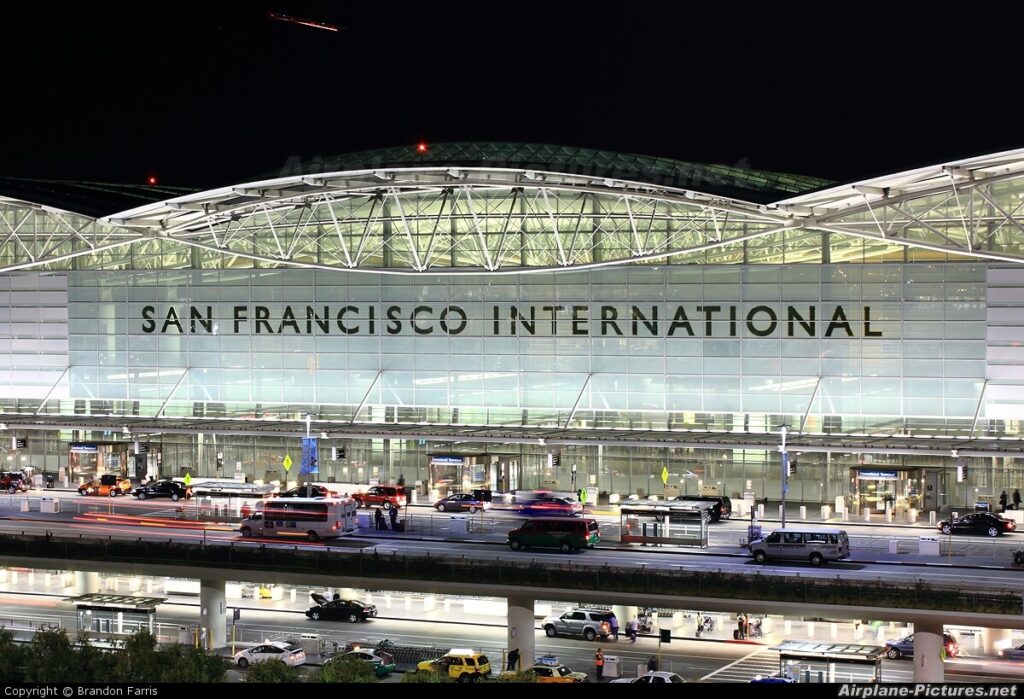
For SFO, BART can be convenient, but the terminal details matter. The BART station is in the International Terminal on Level 3 and is a short walk from Terminal 3; travelers going to Terminals 1 or 2 generally use AirTrain after arriving. Before committing to rail, review BART’s official SFO station information for current lines, schedules, and station guidance.
That extra connection may be a minor detail for a traveler with one bag and plenty of time. It can be more consequential for someone with children, heavy luggage, an early flight, or a tight check-in window. A taxi offers terminal-area drop-off without the separate station-to-terminal sequence, although travelers should still allow for airport roadway conditions.
Oakland Airport: account for the complete connection
The best way to get to Oakland airport depends heavily on your starting point and your comfort with the rail connection. BART can work well for riders coming from a convenient station, but the trip should be evaluated as a complete chain: getting to BART, riding the train, making the airport connection, and arriving at the correct terminal. Review your itinerary in advance rather than treating the airport as the end of the rail trip.
A taxi may be the simpler choice when your pickup is far from a station or the group has bags. It can also reduce decision fatigue after a late inbound flight, when finding the correct transfer may feel less appealing than a direct ride to your destination.
Weekend service, weather, and rush hour
Weekends can be excellent for transit when the schedule lines up, but planned work or altered service can affect a route. Check the current plan before you leave, especially if your flight creates little room for error. Bad weather and major events can affect both road travel and transit operations, so build in extra time instead of assuming normal conditions.
Rush hour creates a different tradeoff. Road congestion can make a taxi journey less predictable, while a packed train and crowded platforms can make BART less comfortable with luggage. Your location matters: a short direct road trip may remain easy, while a distant pickup may favor a rail route that avoids the busiest driving segments. There is no universal winner.
A Simple Rule of Thumb for Choosing
Use this short framework when you need to decide quickly:
- Start with station access. If getting to BART requires an extra ride, a long walk, or inconvenient parking, compare that effort with a direct taxi pickup.
- Check the clock. Confirm current train service for BART, or arrange a pickup that leaves a realistic traffic buffer for a taxi.
- Count people and bags. The more coordination, luggage, or special needs involved, the more valuable door-to-door service becomes.
- Consider the consequence of delay. For a flexible leisure day, a transit transfer may be perfectly reasonable. For a flight, client meeting, or important family event, favor the option with fewer handoffs.
- Decide based on the whole trip. Include home-to-station travel, terminal access, waiting, and the journey after landing—not just the main ride.
For a very early departure, a direct ride is often the lower-stress choice. Travelers can use this guide on how to plan transportation for an early morning flight to set a sensible pickup time and avoid last-minute decisions.
Why a Local Taxi Can Reduce Airport-Travel Stress
Convenience is not just about the time spent moving. It is also about how many details you need to manage while preparing for a flight or arriving tired. With a taxi, you can plan one pickup, load your bags once, and travel directly toward the airport. That simplicity is useful when rail service does not align with your flight, your location is not station-friendly, or you need a more dependable feeling of control over the departure process.
Local knowledge can be useful for travelers whose trip begins outside the core transit network. For example, a pickup in Sunol may be more practical as a direct vehicle trip than as a multi-step journey to a station. The same planning mindset applies beyond Bay Area flights: travelers arranging airport transportation to Sacramento should also consider the full route, departure time, and amount of luggage rather than focusing on one segment.
For travelers who decide that an airport taxi service fits their plans, Dublin City Cab can help with direct airport transportation planning. The goal is not to claim that a taxi is always faster or less expensive. It is to choose a ride that reduces avoidable transfers and supports a calmer, more organized airport day. For a recap of this airport transit comparison, revisit this guide to taxi versus BART for Bay Area airport travel when comparing your next route.
Frequently Asked Questions
Is a taxi or BART better for SFO?
BART can be a good option when you can reach a station easily, the schedule fits your flight, and you are comfortable with terminal access after arriving. A taxi is often more convenient for door-to-door service, substantial luggage, young children, early flights, or a time-sensitive itinerary.
Is BART a good choice for an early morning flight?
It can be, but only if current service times and your station connection support the required arrival time. Verify the schedule before relying on it. If the plan requires the first train, multiple transfers, or a tight timing margin, a scheduled taxi may be more practical.
What is the most luggage-friendly airport travel option?
A direct taxi is usually easier when you have multiple large bags, a stroller, mobility equipment, or gear for work. BART is more manageable with light luggage and a simple route, but it requires moving belongings through stations and possible airport connections.
Can a group save money by taking a taxi to the airport?
Possibly, because a vehicle ride can be shared by eligible passengers while rail travel is typically priced per rider. Compare the total vehicle cost with the combined transit cost, plus any expense of getting everyone to the station. Convenience and luggage needs should also factor into the decision.
How far ahead should I arrange airport transportation?
Arrange it as soon as your flight plans are firm, particularly for early morning pickups, groups, holidays, or trips where timing matters. Confirm the pickup details, build in an airport buffer, and review the plan again shortly before travel.
Conclusion: Choose the Option That Fits the Trip
In the taxi vs BART for Bay Area airport travel decision, the better option depends on your origin, airport, flight time, luggage, group size, and comfort with transfers. BART can be efficient for a prepared traveler with easy station access and a flexible schedule. A taxi can be the more convenient choice when you need a direct pickup, more schedule flexibility, or fewer moving parts. Plan the entire route—not only the main ride—and give yourself enough time for a smoother airport experience.