

How Long Does It Take to Get from Dublin, CA to SFO?
Wondering how long does it take to get from Dublin CA to SFO? Compare 45–75-minute drive ranges, traffic buffers, and taxi, rideshare, BART, and parking options.
For most travelers, the drive from Dublin, California, to San Francisco International Airport (SFO) is best planned as a roughly 45- to 75-minute trip once you are on the road. In lighter traffic, it may feel straightforward. During weekday commute periods, rain, an incident, or heavy airport activity, the same trip can take noticeably longer. That is why the most useful answer to “how long does it take to get from Dublin, CA to SFO?” is a range—not a promise of one exact arrival time.
Dublin sits in the Tri-Valley, while SFO is south of San Francisco. Most road trips involve I-680 and US-101, with the Bay Bridge corridor and airport approach adding uncertainty. Your door-to-terminal time also includes loading bags, meeting your driver or walking to your car, and navigating the correct terminal drop-off area.
If you want a point-to-point ride without arranging parking or making transit transfers, a Dublin taxi service can simplify the ground-transportation portion of the plan. The important part is still allowing enough time for real traffic conditions and your airline’s check-in requirements.
Typical drive time from Dublin, CA to SFO
The Dublin CA to SFO drive is commonly thought of as an approximately 40-mile-plus airport trip, depending on your starting point in Dublin and the route used. In favorable conditions, the driving portion may fit near the lower end of the 45- to 75-minute planning range. For a flight day, however, it is wiser to treat that lower-end estimate as a best-case scenario rather than the time you should build your schedule around.
A practical planning framework looks like this:
| Travel conditions | Practical Dublin to SFO travel time to plan for | What to keep in mind |
|---|---|---|
| Light late-morning, mid-day, or evening traffic | About 45 to 60 minutes | Allow additional time for your actual pickup, terminal approach, and flight check-in. |
| Normal weekday traffic | About 60 to 75 minutes | Freeway flow can change quickly, particularly near major interchanges and US-101. |
| Rush hour, rain, road incidents, or holiday pressure | 75 minutes or more | Leave a larger travel buffer and avoid relying on a route app’s most optimistic estimate. |
These are travel-planning ranges, not guaranteed trip times. A navigation app can help on the day, but it cannot remove the unpredictability of freeway congestion. If your flight is important, begin with the time you need to be inside the terminal, then work backward to determine a conservative departure time.
What affects the trip most?
Weekday traffic patterns
Weekday commute traffic is the biggest variable for Dublin to SFO travel time. Morning congestion can affect the East Bay portion of the trip as commuters head toward job centers and bridge crossings. Afternoon and evening traffic often creates a different problem: traffic moving back toward the East Bay can slow parts of the route, while US-101 near the airport may also be busy.
There is no single “safe” weekday hour that always avoids traffic. Early morning travel can be lighter on some road segments, but it also overlaps with a high volume of departing flights. Mid-day may offer smoother freeway movement, although construction, collisions, special events, and weather can still change conditions.
Route choice and freeway congestion
Many drivers use I-680 to connect toward the Bay Area freeway network, then continue along US-101 toward SFO. The best route on a given day depends on current conditions, not habit alone. A route that is normally direct may be slower after an accident, and a detour can add distance even when it appears to save minutes.
Use live navigation shortly before departure, but do not wait until the last moment to decide whether you have enough time. If the app shows growing delays, your useful choice may be to leave sooner rather than search for a perfect alternate route. Airport travel rewards early decisions and a comfortable margin.
Terminal, airline, and curbside activity
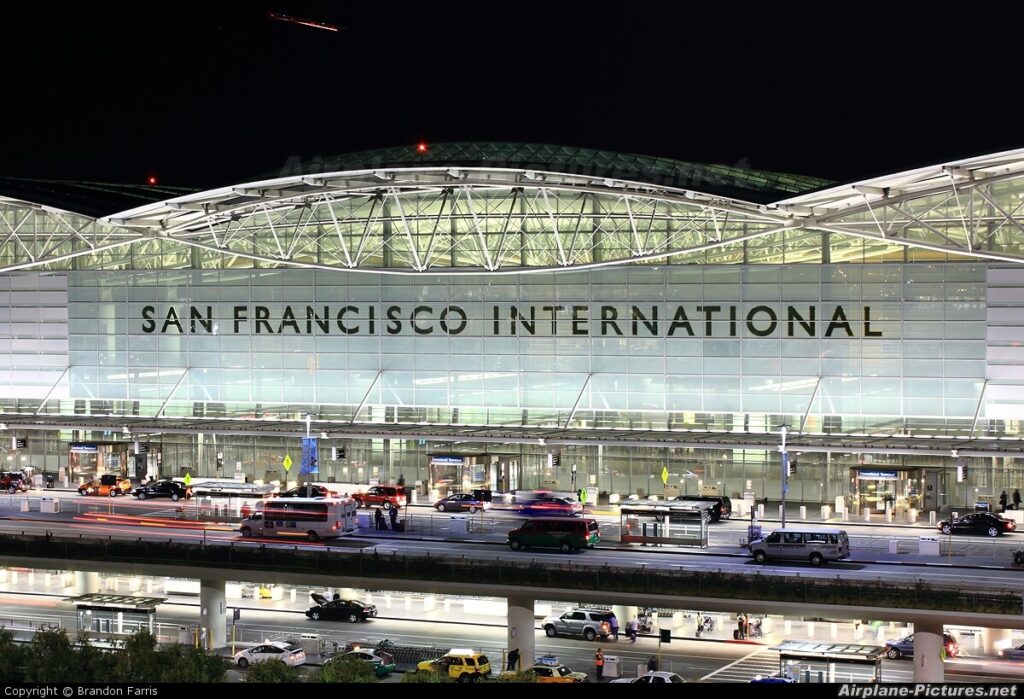
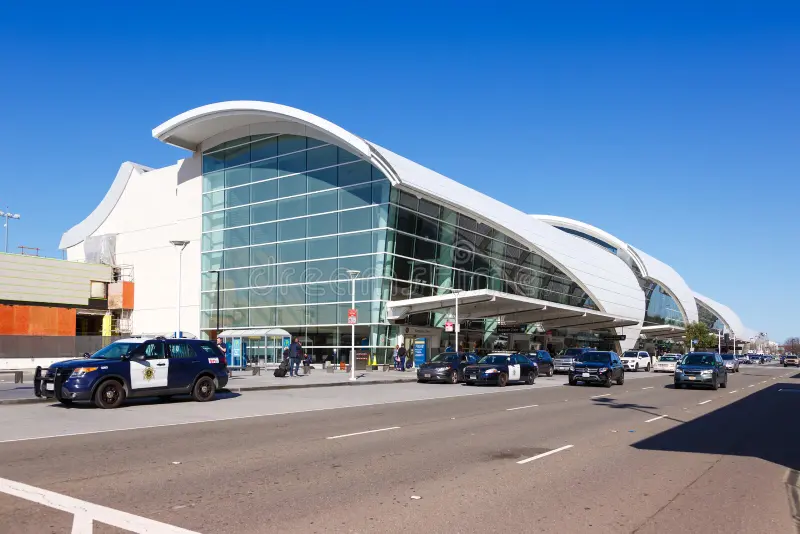
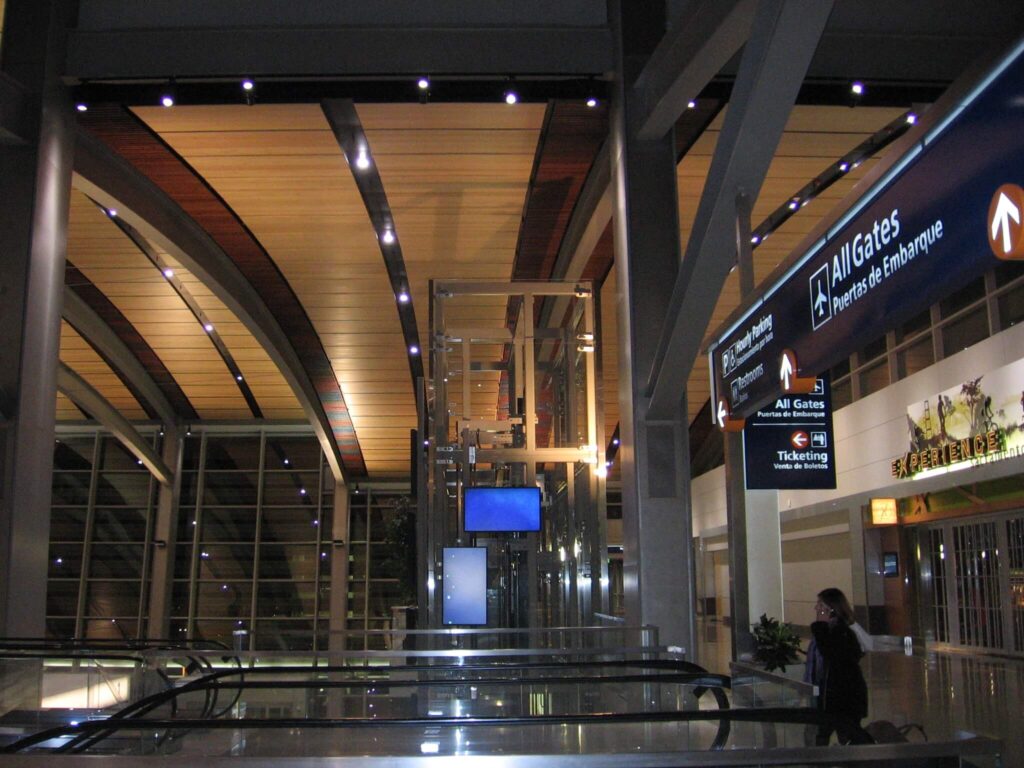
Reaching the SFO property is not the same as completing your airport trip. Terminal roads can move slowly when several flights are departing, and checking the correct airline terminal ahead of time prevents an unnecessary loop. Carry-on-only travelers may move from curb to security quickly; travelers checking bags, traveling with children, or needing assistance should budget more time after drop-off.


How early should you leave Dublin for SFO?
A sensible departure plan begins with your target terminal-arrival time, rather than the driving estimate alone. Airlines, destinations, bag drop lines, security screening, parking or drop-off logistics, and individual needs all affect how early you should be at the airport. Check your airline’s current guidance for your particular flight, especially for international travel.
As practical—not guaranteed—guidance, many travelers aim to be at SFO around two hours before a domestic departure and around three hours before an international departure. Then add the expected road time from Dublin plus a meaningful traffic buffer. If you have a checked bag, a large group, a time-sensitive boarding situation, or little experience with SFO, lean toward the earlier end of your plan.
| Flight situation | Practical planning approach |
|---|---|
| Domestic flight in lighter traffic | Set a terminal-arrival target based on your airline’s guidance, then add about 45 to 60 minutes of road time and extra time for pickup and drop-off. |
| Domestic flight during weekday congestion | Use a 60- to 75-minute road allowance at minimum, plus a larger cushion if current traffic is deteriorating. |
| International, checked-bag, or holiday flight | Start with an earlier terminal-arrival target and avoid compressing the drive, bag drop, and security steps into one tight window. |
| Very early departure | Confirm driver availability and airline check-in timing the day before; roads may be calmer, but airport operations can be busy. |
For a 7:00 a.m. domestic flight, for example, a traveler who wants to arrive around 5:00 a.m. should not simply subtract the fastest drive estimate. Factor in the exact Dublin pickup location, time needed to load luggage, and a cushion for unexpected issues. For more detailed pre-dawn considerations, review this guide to early-morning airport transportation from Dublin.
Scheduled transportation can be particularly helpful when you do not want to search for a ride while getting ready. A prearranged local Dublin transportation option gives you a pickup time to plan around, though it is still smart to schedule early enough to account for conditions beyond any driver’s control.
Taxi, rideshare, BART, or driving yourself?
The best Dublin airport transportation choice depends on your budget, luggage, party size, tolerance for transfers, and need for a predictable start. No option is perfect for every trip. Comparing the full experience—not just the time spent moving—helps you choose appropriately.
| Option | Convenience and luggage | Timing considerations |
|---|---|---|
| Scheduled airport taxi | Door-to-terminal service and direct luggage handling. | A defined pickup can make departure planning simpler; reserve with enough lead time. |
| Rideshare | Direct ride when a vehicle is available; luggage stays with you. | Availability, pickup timing, and pricing can vary with demand. |
| BART | Can work well for light luggage and travelers comfortable with transfers. | Requires station access, a transit schedule, and time to reach the terminal after arrival. |
| Drive and park | You control your departure and keep your own vehicle. | Add time for parking, shuttle or walking, and the return-trip process. |
Why a scheduled airport taxi can be the most predictable option
A scheduled airport taxi is often the simplest choice for travelers who value door-to-door service, particularly when carrying checked bags, traveling with family, or leaving before transit is convenient. You can set a pickup time based on your own flight plan and avoid airport parking decisions. A Dublin City Cab booking may be a practical fit when a direct ride and clear starting point matter more than coordinating transfers.
“Predictable” does not mean traffic-proof. It means the pickup is planned rather than dependent on last-minute vehicle availability, while your departure buffer protects the rest of the journey.
BART, taxi access, and rideshare details at SFO
BART can be a reasonable alternative when you are comfortable managing the journey with luggage and allowing for transfers. At SFO, BART passengers can connect from the SFO BART station to AirTrain for terminal access. A direct vehicle ride avoids that final rail connection, which may be meaningful when you have multiple bags or a tight schedule.
Arrival logistics differ as well. According to SFO’s official ground transportation guide, rideshare pickups are generally located on Level 5 of the Domestic Garage, while taxis are available at center islands outside Arrivals. The airport also limits terminal curbsides to active loading and unloading, so drivers should not plan to wait on terminal roadways. For a fuller local comparison before deciding, see airport taxi vs. BART from Dublin.
Tips to avoid airport stress on the way to SFO
A calm airport morning usually comes from decisions made the night before. These simple steps reduce avoidable pressure without assuming the roads will behave perfectly.
- Check your airline terminal and check-in guidance. Confirm the airline, flight number, terminal, baggage rules, and recommended arrival time. This keeps the terminal drop-off brief and purposeful.
- Set a target terminal-arrival time first. Work backward from that time, adding driving time, a traffic buffer, and time to meet your transportation.
- Check traffic close to departure. Look for collisions, closure notices, or unexpected congestion. If conditions are worse than anticipated, leaving immediately is often more valuable than hoping the delay disappears.
- Pack essentials in an accessible bag. Keep identification, boarding information, medications, chargers, and valuables where they can be reached without unpacking curbside.
- Confirm the pickup details. For an airport taxi or rideshare, verify the address, phone number, pickup time, passenger count, and luggage needs. Be ready a few minutes before the agreed time.
- Plan your return separately. Know whether you will use taxi, rideshare, BART, rental car, or another method after landing. SFO pickup locations are not always where a first-time visitor expects them to be.
For travelers who are comparing Bay Area airports before booking, SFO is not the only consideration. Depending on your itinerary and airline, San Jose may be relevant; this Dublin to San Jose airport transportation guide can help you think through that separate trip. Do not assume the closest-looking airport on a map will always be the easiest option after traffic, schedule, and ground transportation are considered.
Nearby East Bay pickup areas we also serve
Airport plans often begin outside Dublin itself. A traveler may be staying with family, leaving from an office, or coordinating a shared ride from another Tri-Valley community. The same core principles apply: confirm the exact pickup address, account for the extra local driving time, and build your buffer before the freeway portion begins.
For trips beginning in Pleasanton, allow time for the pickup location and local streets before treating the freeway estimate as your full trip. A trip starting only a few miles away can still require a different departure time when the flight is early or traffic is building.
Travelers departing from Sunol should likewise plan around the route to the main freeway network rather than focusing only on an SFO arrival estimate. Communicating the number of passengers and bags in advance helps ensure the transportation choice fits the trip.
Frequently asked questions
How far is Dublin, CA from SFO?
The road distance is generally a little over 40 miles, although the exact total changes with your address in Dublin and the route used. Distance alone is less important than the time of day, because freeway congestion can affect the trip far more than a few extra miles.
What is the fastest way to get from Dublin to SFO?
For most travelers, a direct private ride by taxi, rideshare, or personal vehicle is the fastest overall ground option because it goes from your pickup point to the airport without a rail transfer. The fastest route on the road varies with live traffic conditions, so check navigation before leaving.
How much time should I add for Bay Area traffic?
For an important flight, add a meaningful buffer beyond a light-traffic estimate. A common practical approach is to plan at least 60 to 75 minutes on the road during normal weekday conditions and more when travel overlaps with rush hour, rain, holidays, or known incidents.
Is a taxi or rideshare more reliable for SFO trips?
Both can provide direct transportation, but their planning experience differs. A taxi booked in advance gives you a defined pickup arrangement; rideshare availability and pickup timing can change with demand. Neither option eliminates traffic, so the departure buffer remains essential.
Should I leave earlier for early-morning flights?
Usually, yes. Roads may be less congested before dawn, but you still need time for pickup, terminal drop-off, bag check, and security. Confirm your airline’s hours and arrival guidance, then arrange transportation early enough that a minor delay does not create a major problem.
What is the best buffer time for airport drop-off?
There is no universal number because it depends on your flight, terminal, bags, and traffic. Build in time beyond the drive for meeting the vehicle, unloading, reaching the correct entrance, and completing airline and security steps. Travelers with international flights or checked baggage should use a larger cushion.
Conclusion
How long it takes to get from Dublin, CA to SFO depends less on a single mileage figure than on traffic conditions, route flow, terminal activity, and how much time you need after drop-off. A planning range of about 45 to 75 minutes is useful for the road portion, with additional time needed for the airport process. During rush hour or other high-risk periods, plan for more.
The most dependable strategy is to choose your terminal-arrival target first, work backward conservatively, and use transportation that suits your luggage and schedule. Whether you drive, take BART, request a rideshare, or reserve a direct airport taxi, a comfortable travel buffer is the best protection against a stressful start to your trip.